
Macaulay Library’s Best Bird Photos 2026
Featuring 37 photographers. Photo selections and text by Macaulay Library and Living Bird staff.
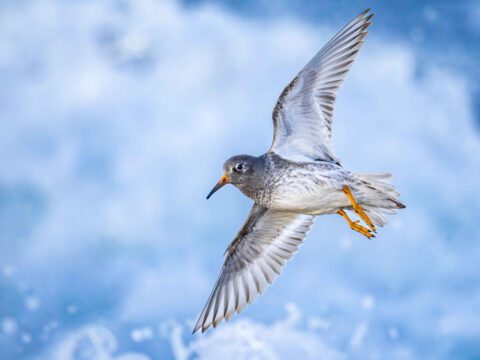
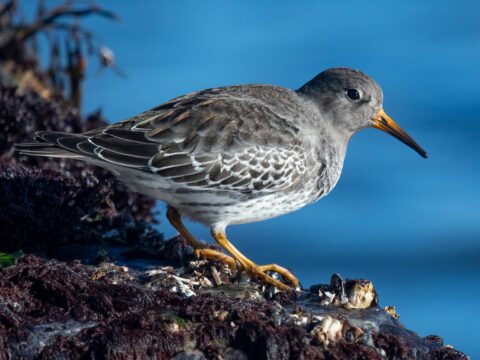
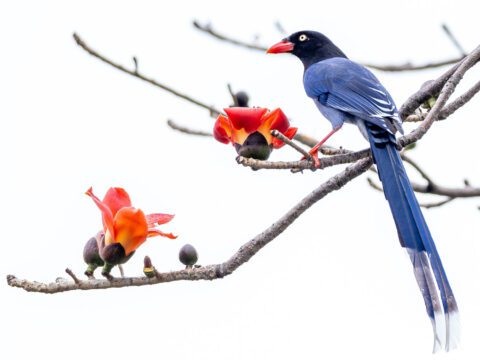
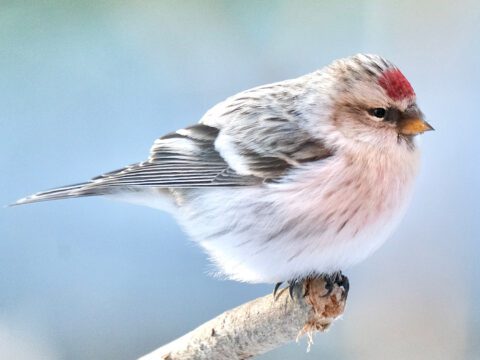
December 23, 2025Birders around the world have contributed more than 81 million photos to our Macaulay Library archive. Here are some of the best from the past year.
From the Winter 2026 issue of Living Bird magazine. Subscribe now. If you like this photo essay, you’ll also enjoy last year’s Best of Macaulay essay.
Bird, Watching
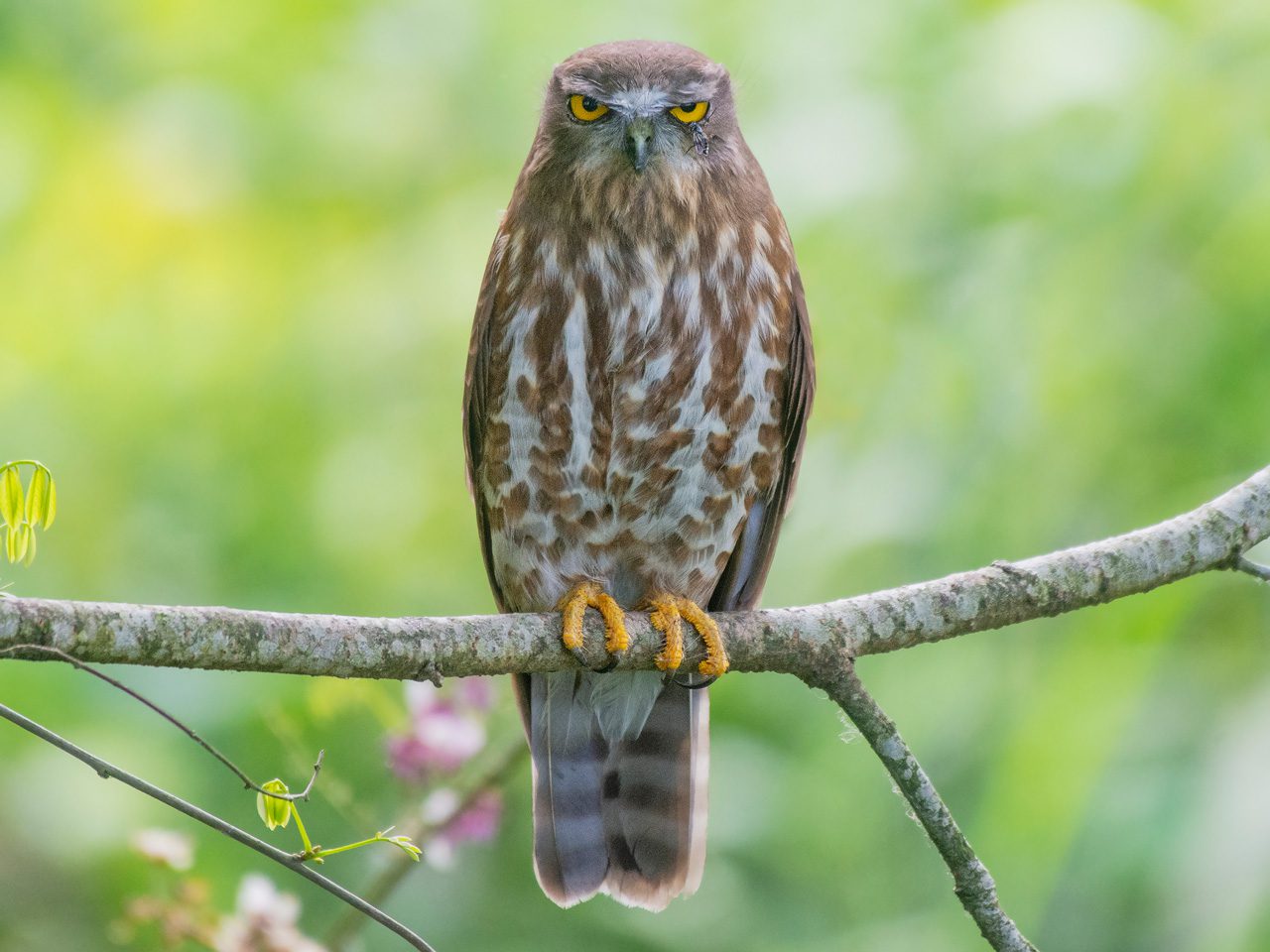
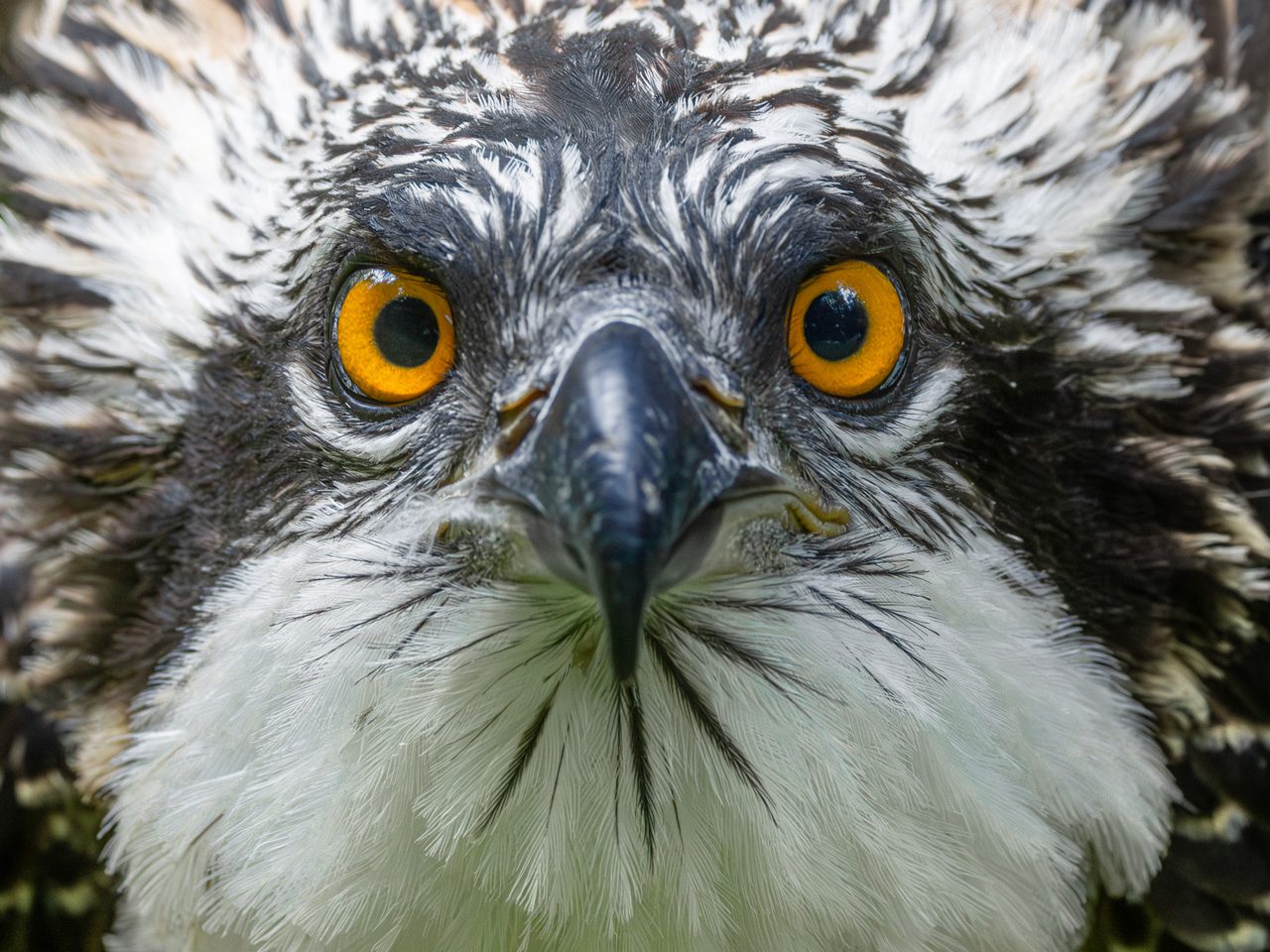
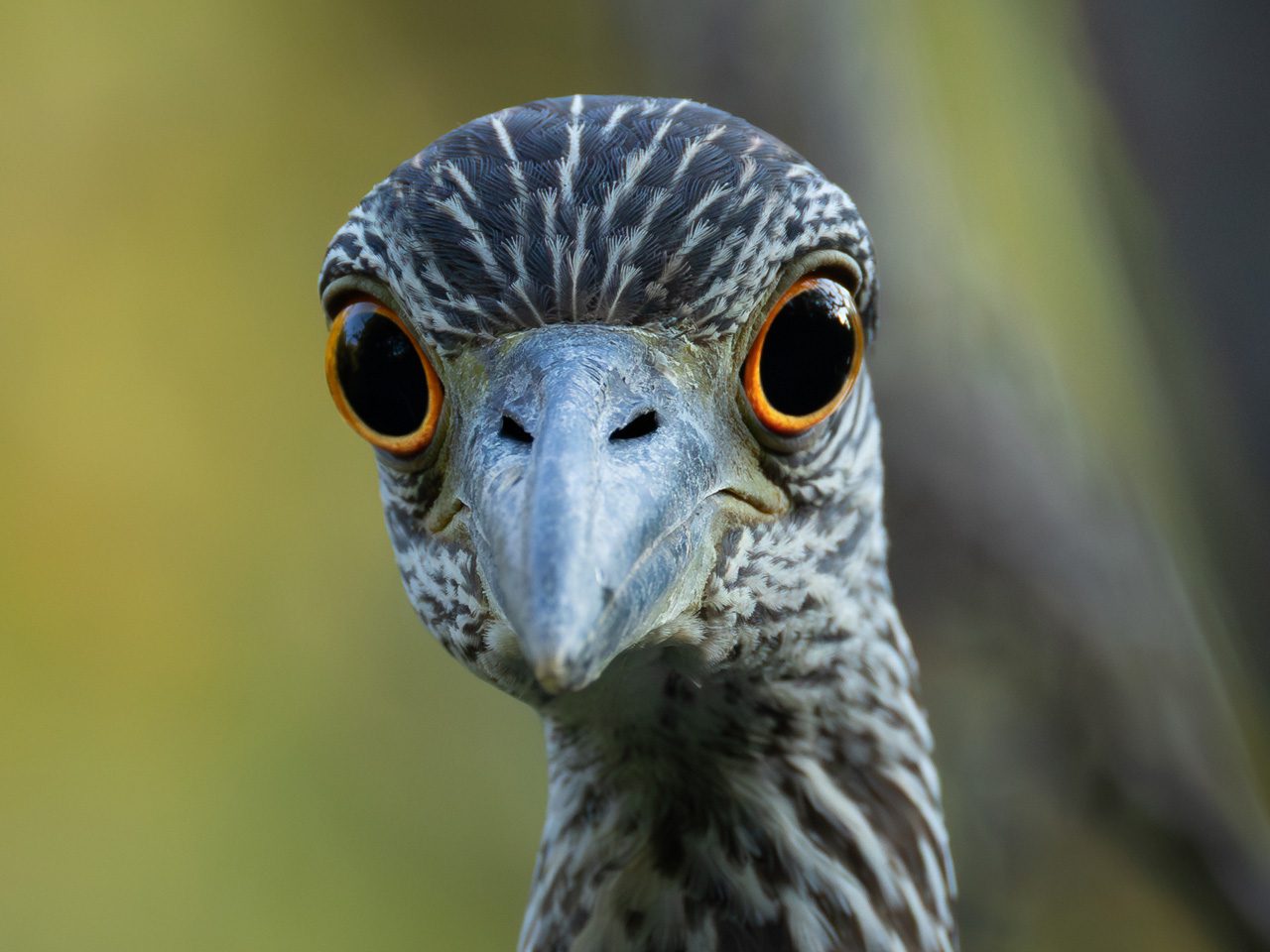
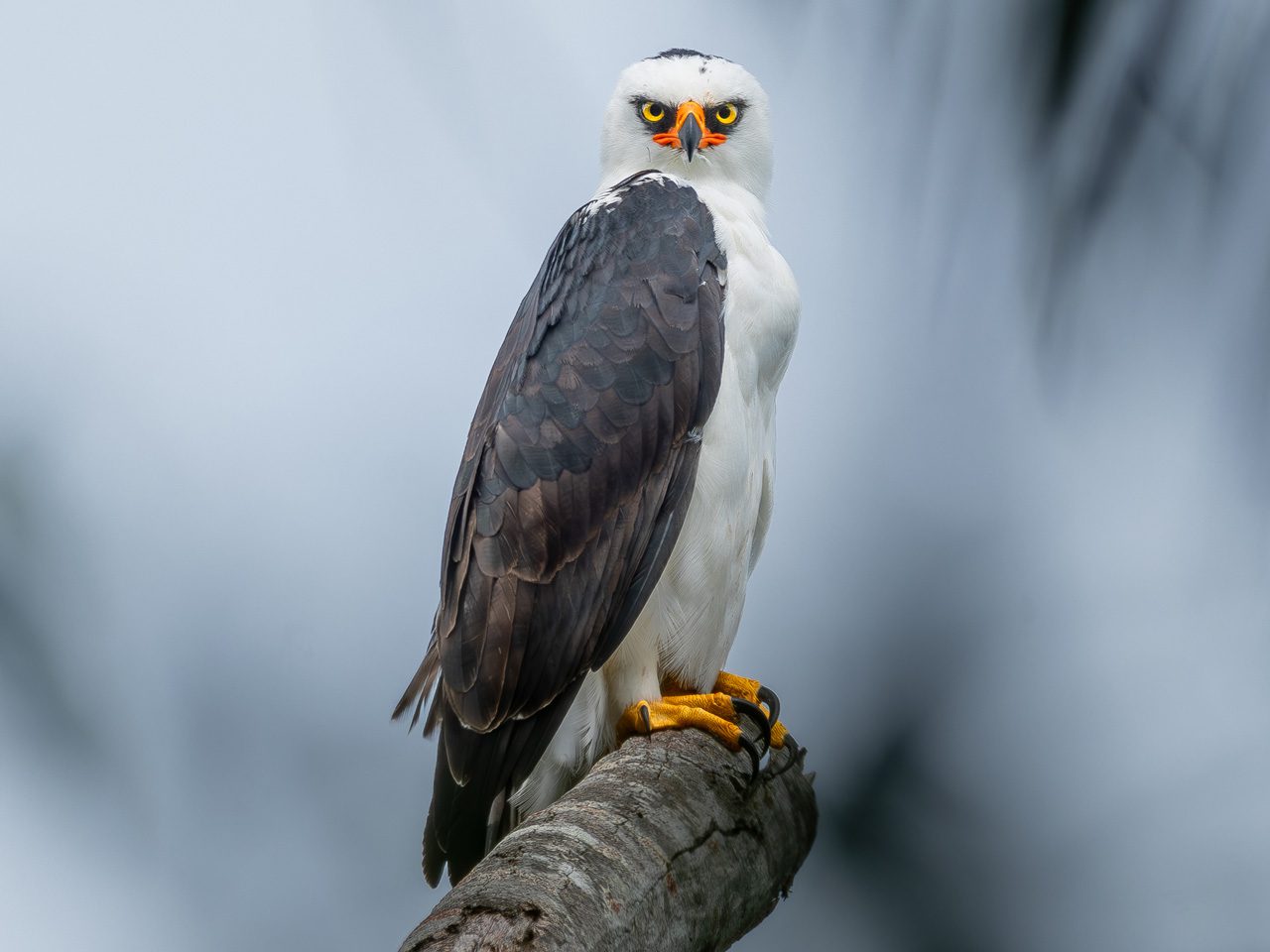
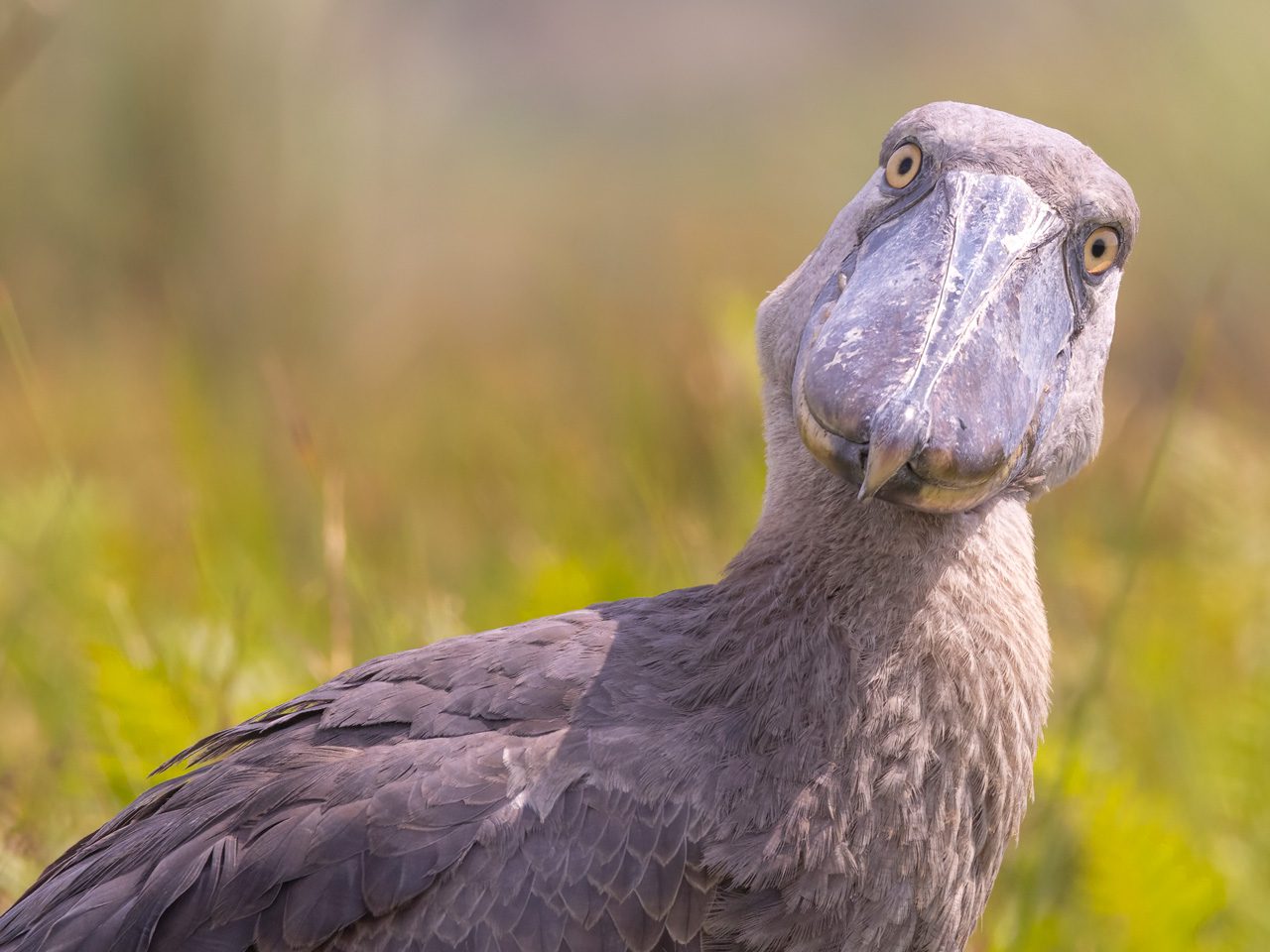
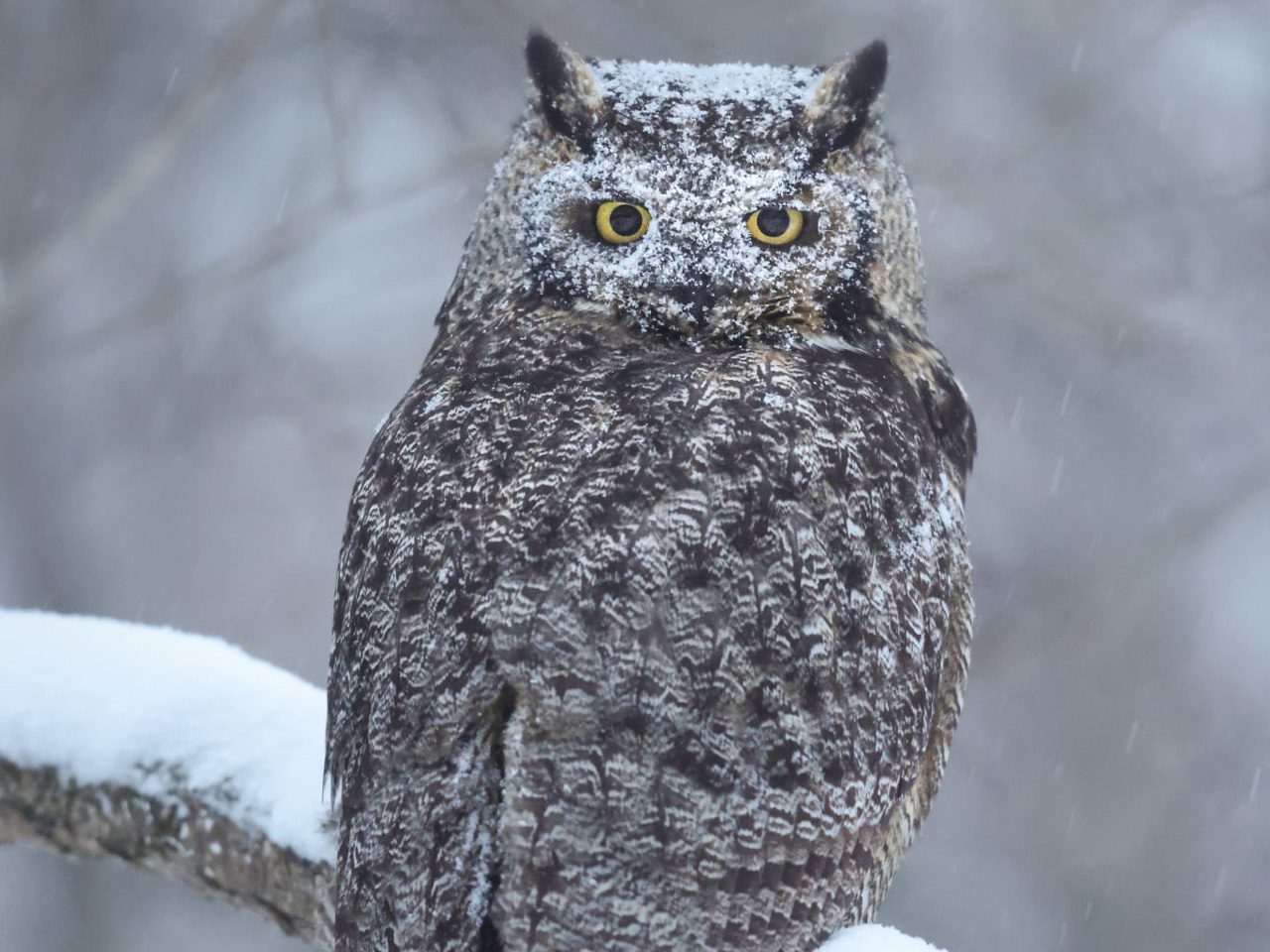
More than 30,000 photographers have contributed images to the Macaulay Library through their eBird checklists. Sometimes a photographer finds a bird staring right back at the camera, such as when photographer Toby Carter caught the intense glare of a young Osprey about to be released during a licensed banding session on the coast of northern England. Osprey and other predatory birds (such as jaegers, Shoebills, owls, herons, and eagles) have forward-facing eyes, an adaptation for zeroing in on prey.
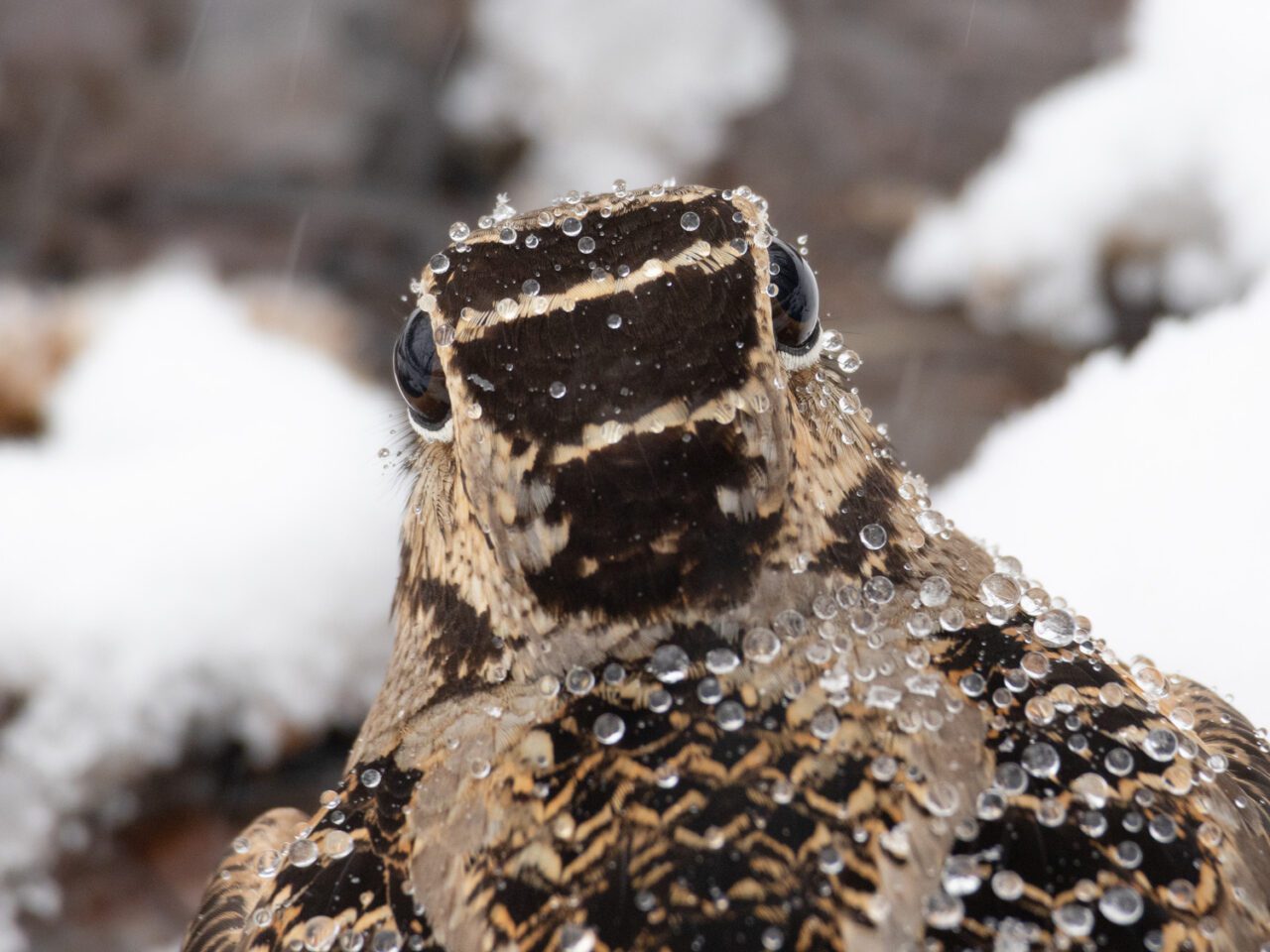
At the other end of the spectrum, the American Woodcock’s eyes are set so far back on its head that you can see both eyes from behind, as in the photo by Karim Bouzidi below. It’s as if the bird is staring directly at you while facing the other direction. This adaptation gives the ground-dwelling woodcock the ability to spot predators coming from nearly any direction.
More Than Birds
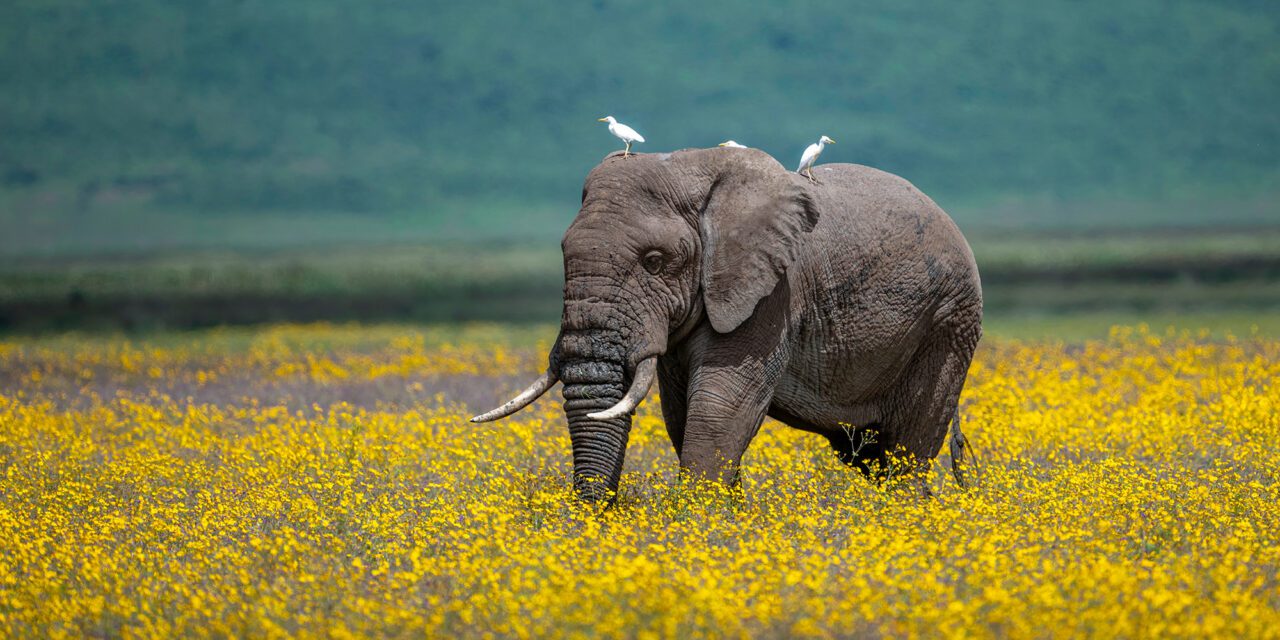
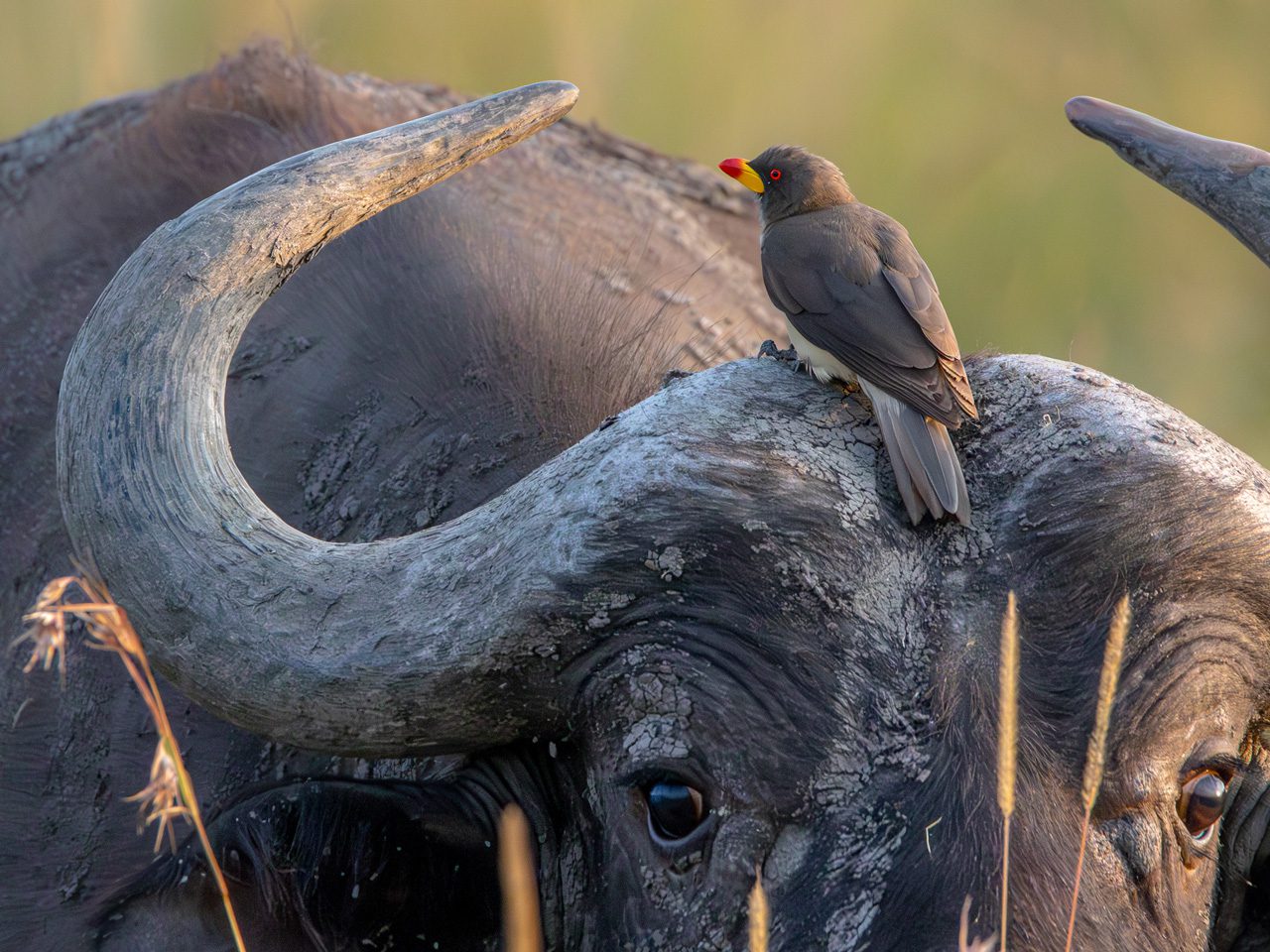
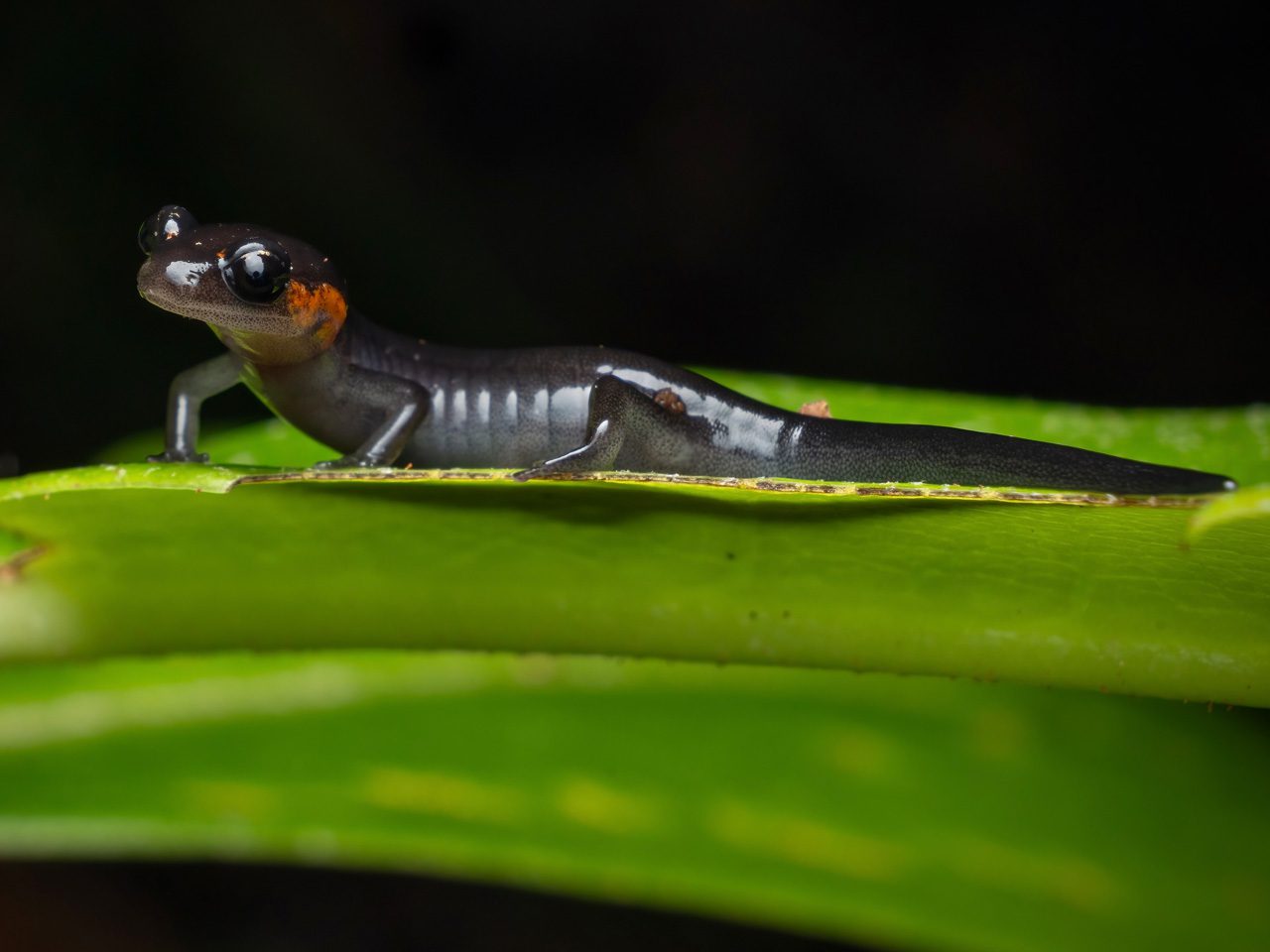
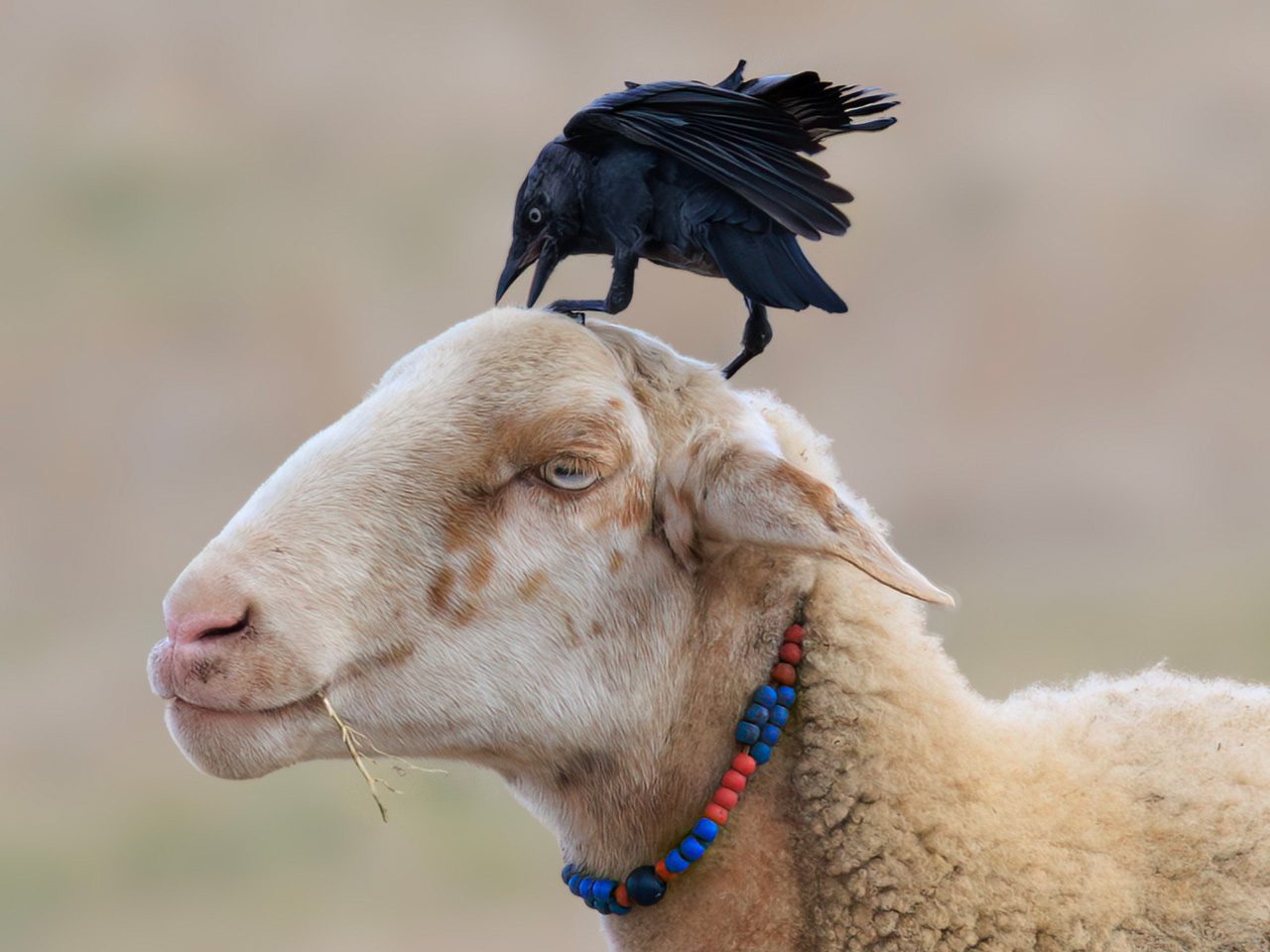
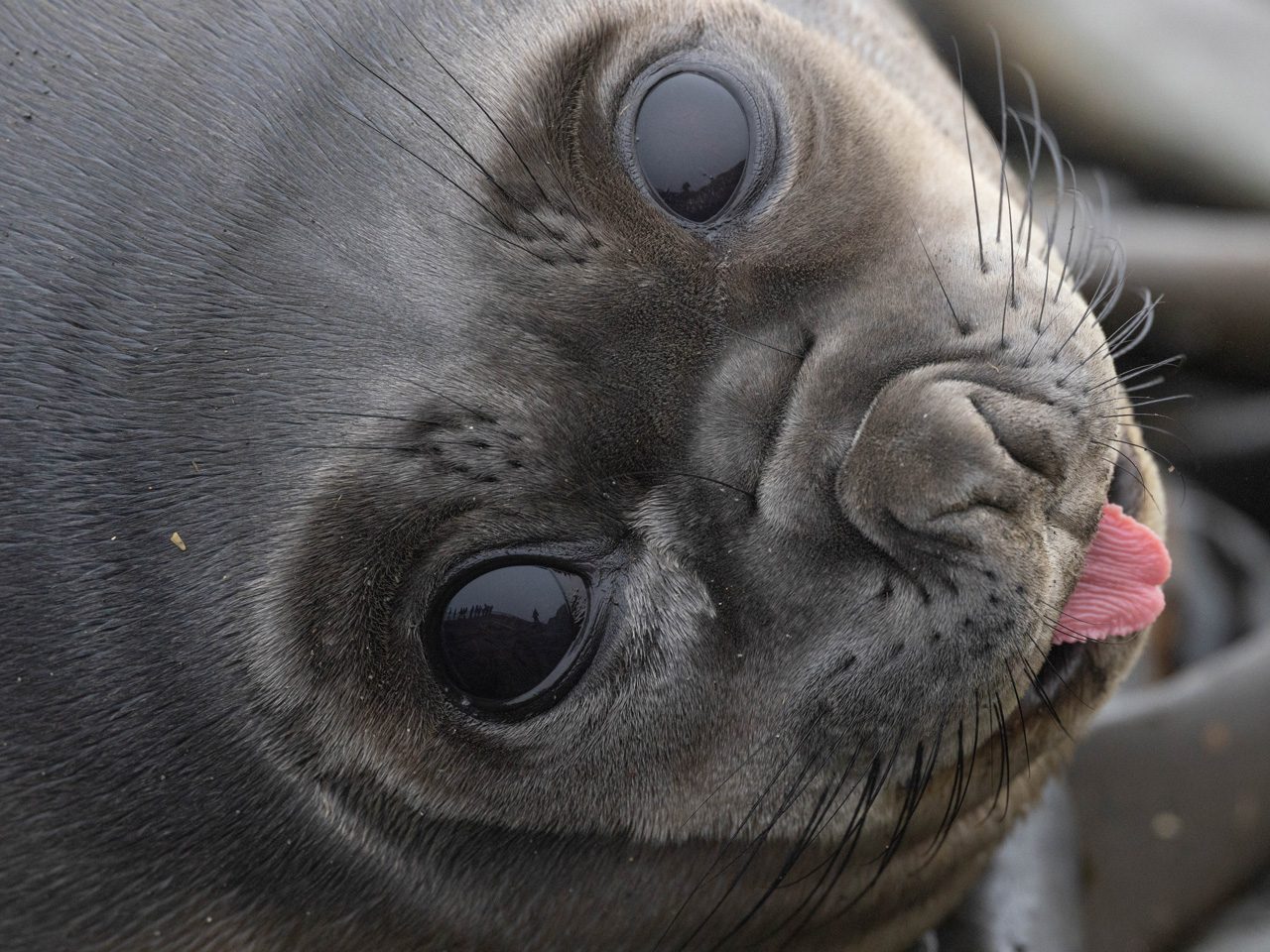
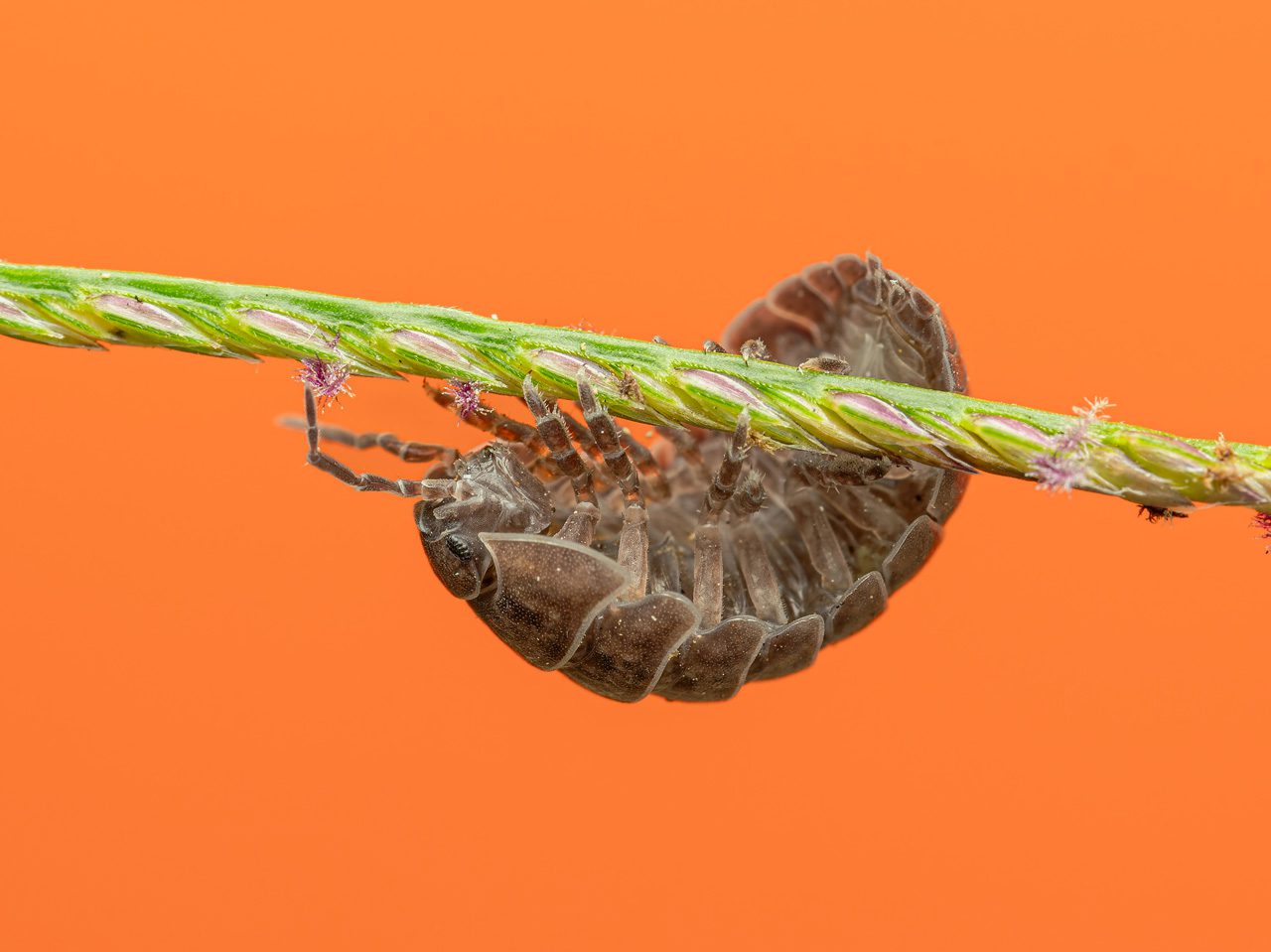
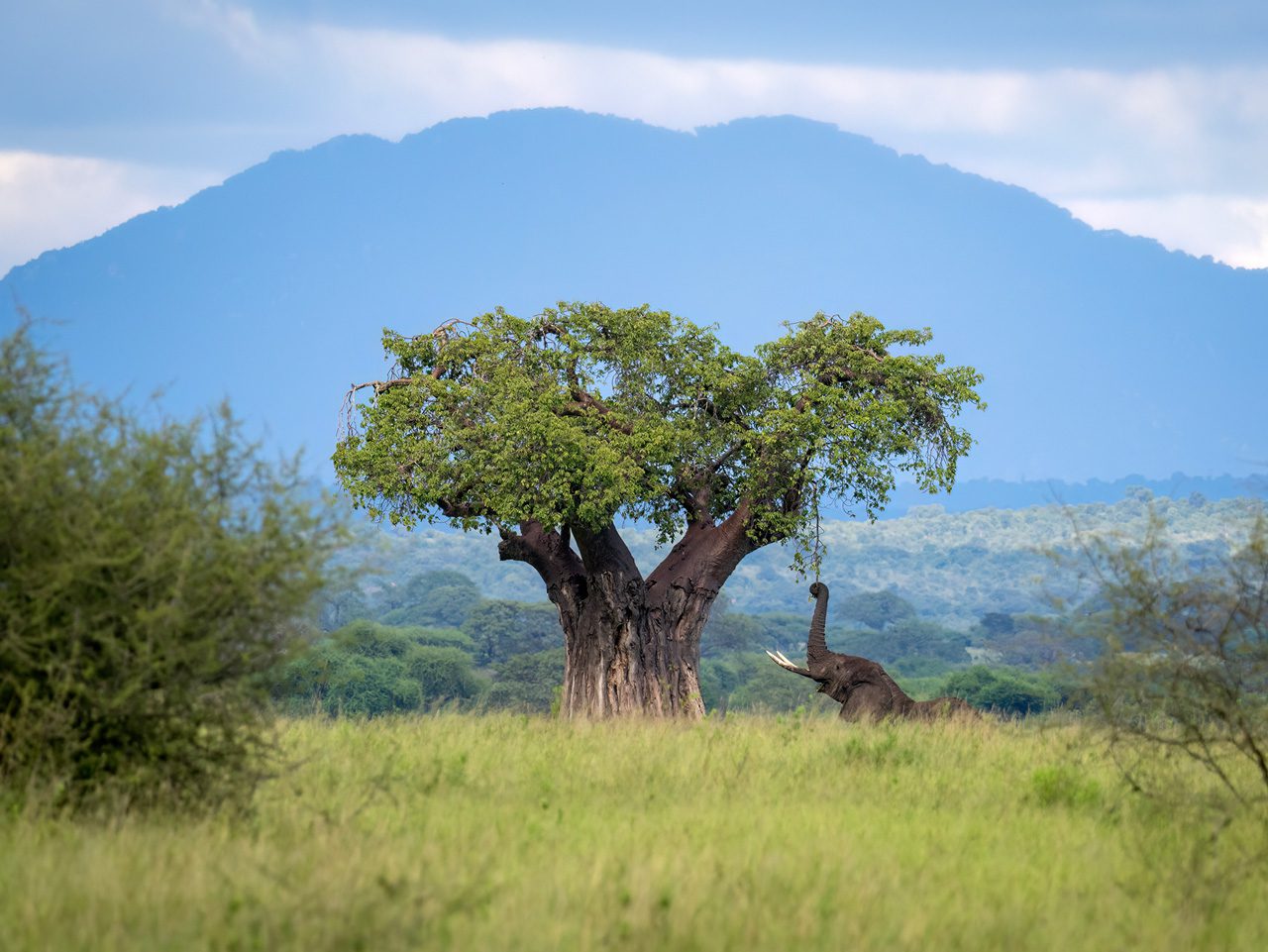
In 2025 the Macaulay Library and eBird began accepting non-avian photos and sounds, which opened the door to a wider array of wildlife—from seals to salamanders to cape buffalo. Because Macaulay Library media train the AI capabilities of Merlin, the Cornell Lab’s smartphone bird ID app, the addition of non-avian images and sound recordings will improve the app’s ability to distinguish birds and bird sounds within their environments. A richer collection of wildlife media also makes the archive even more valuable for scientific research.
Dreamy Visages
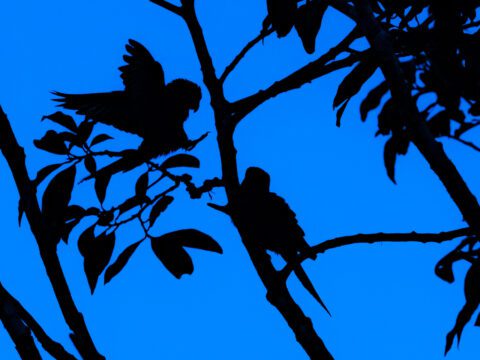
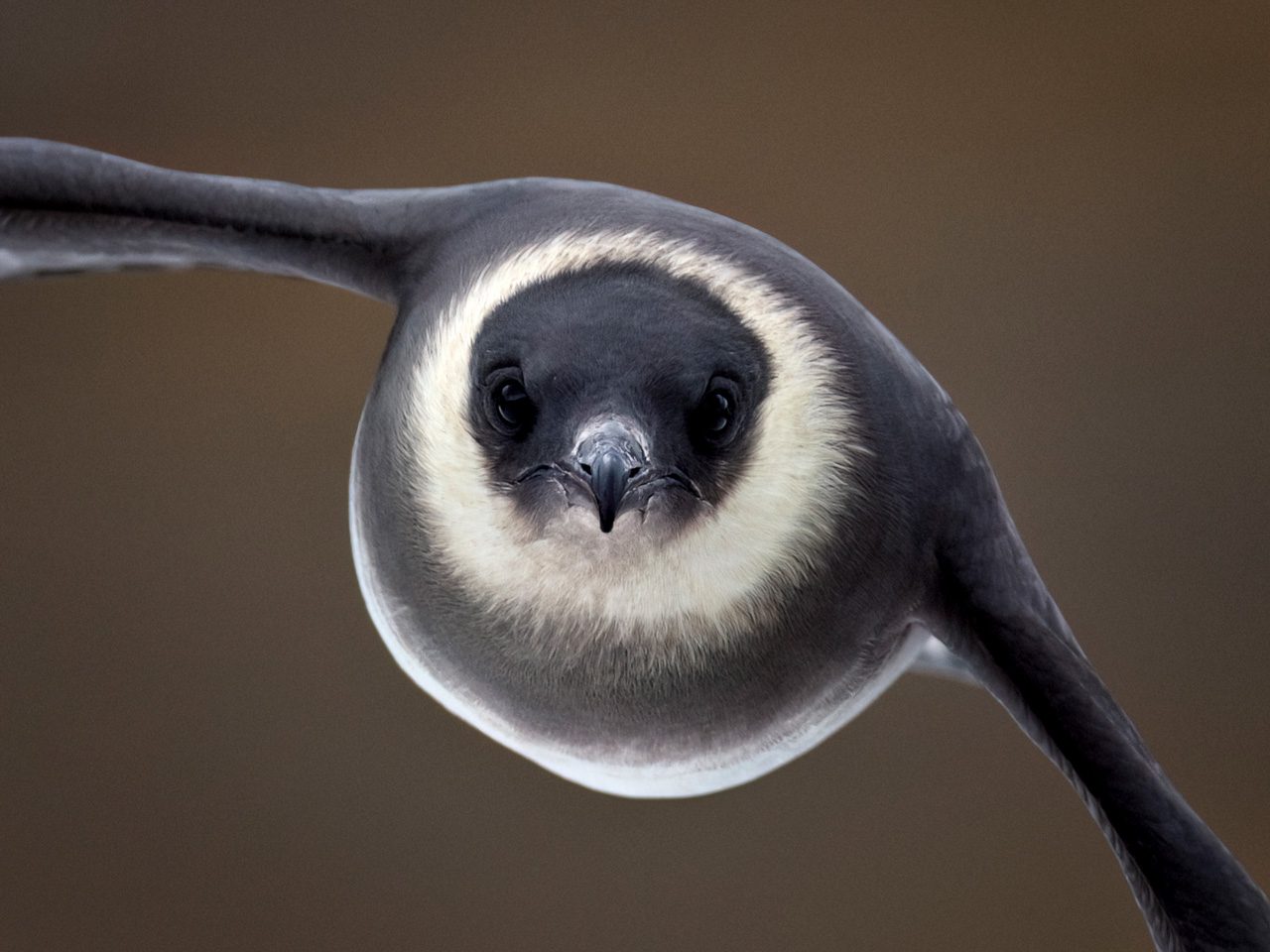
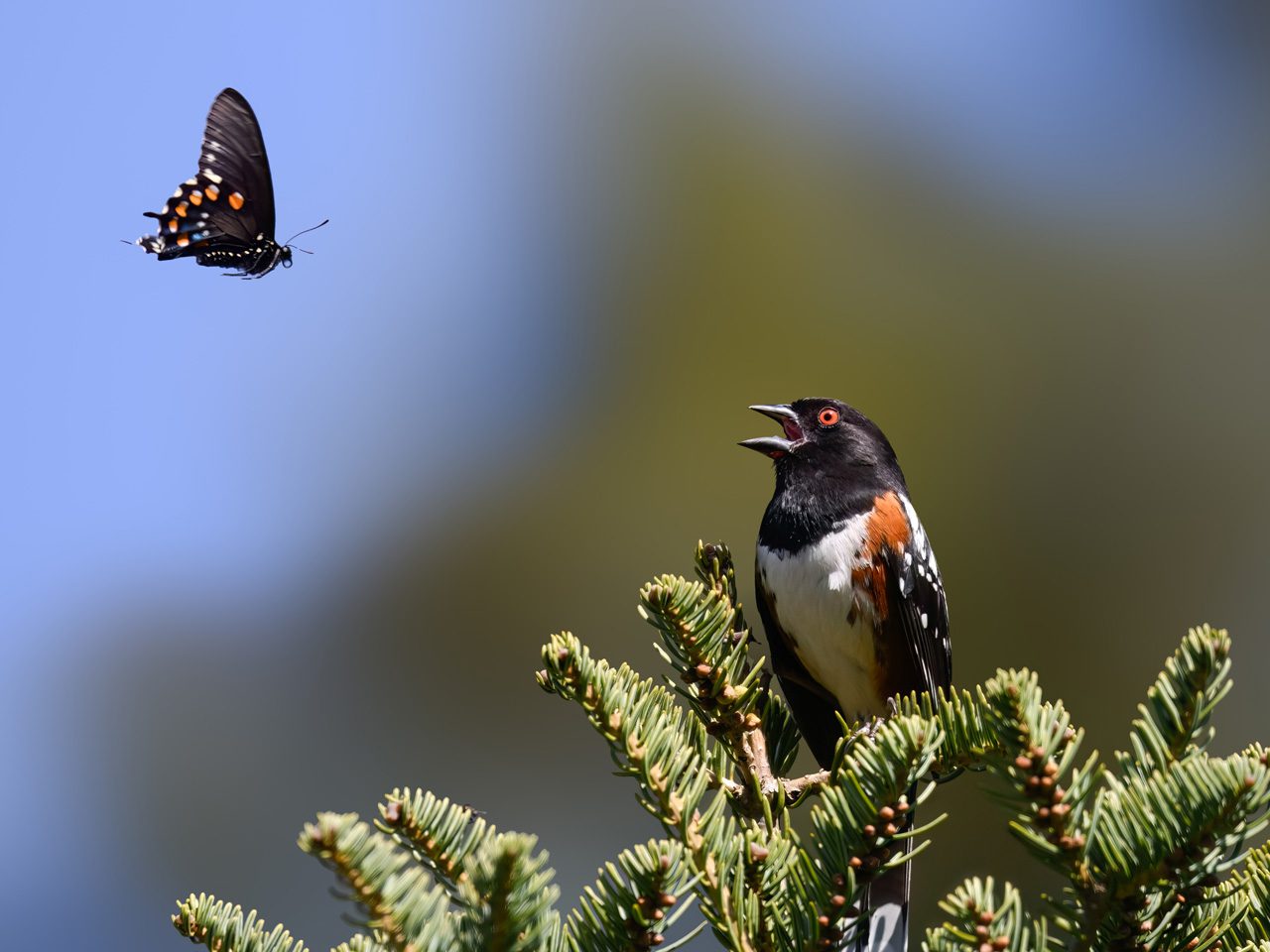
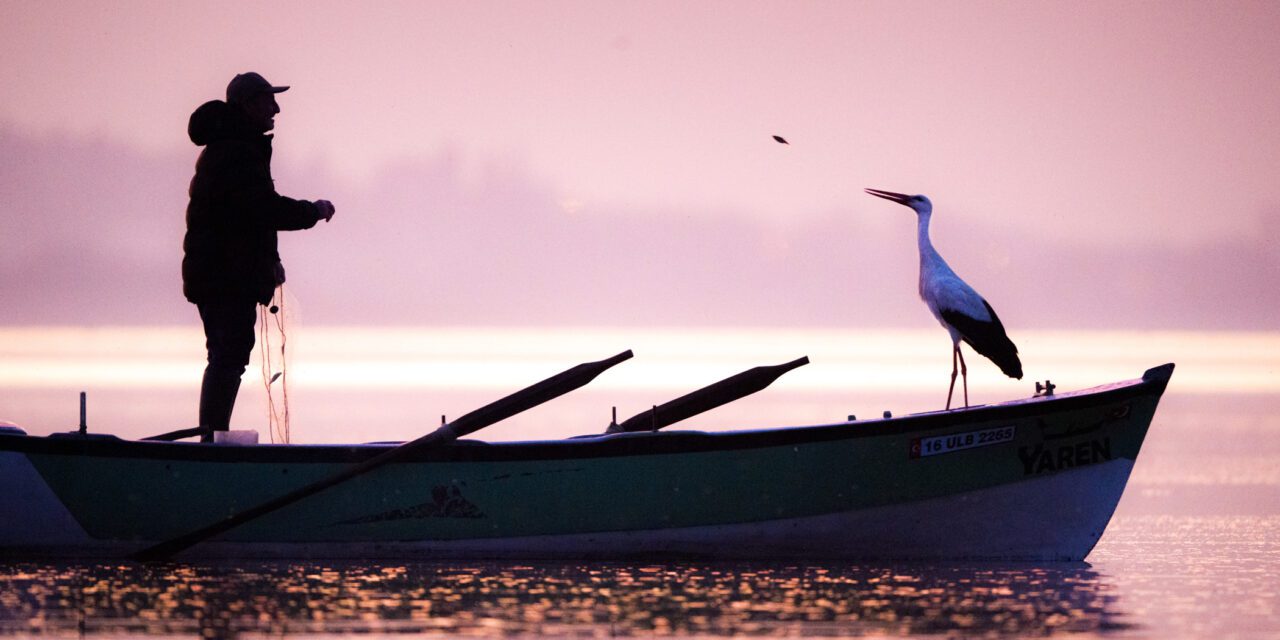
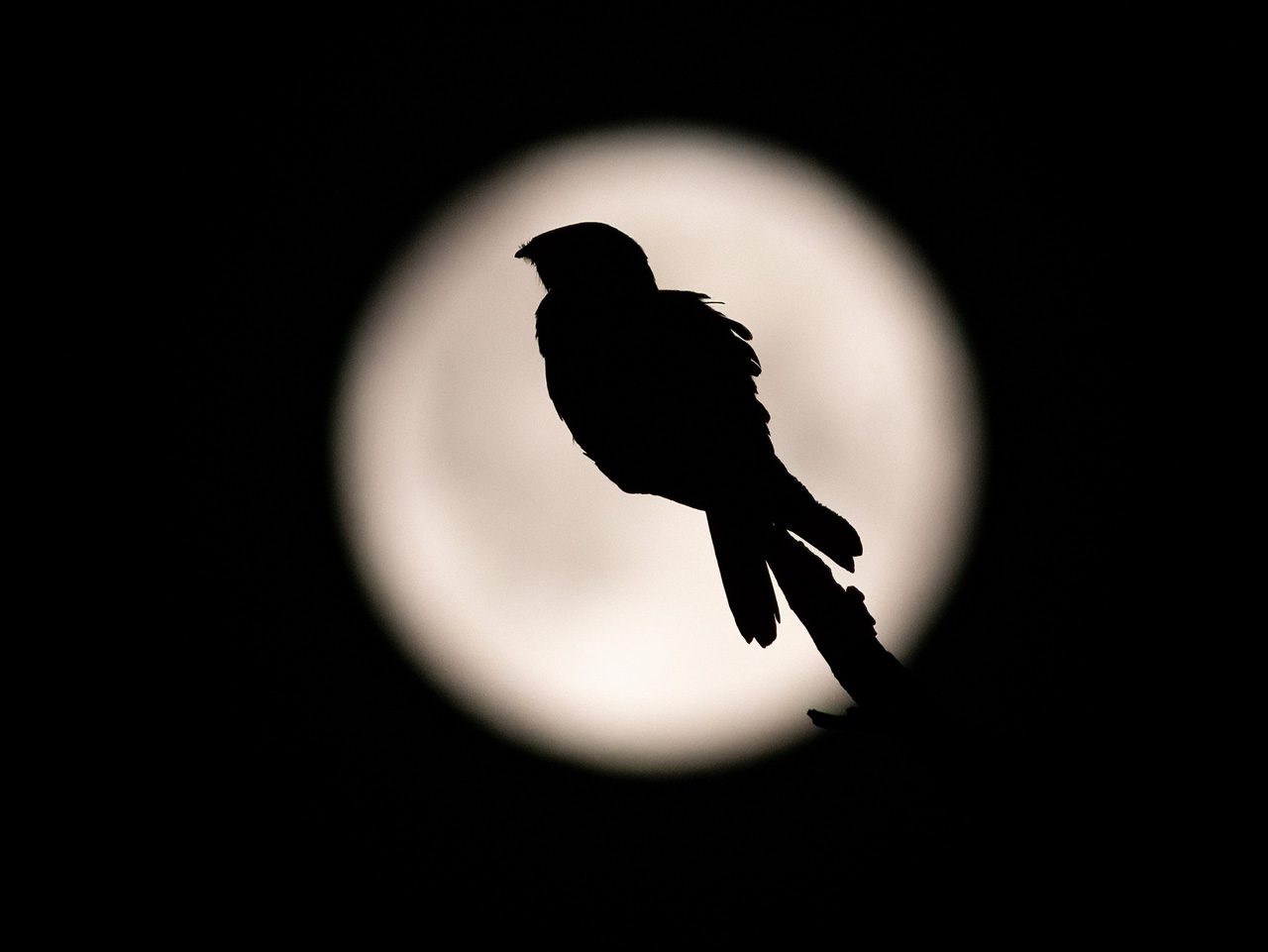
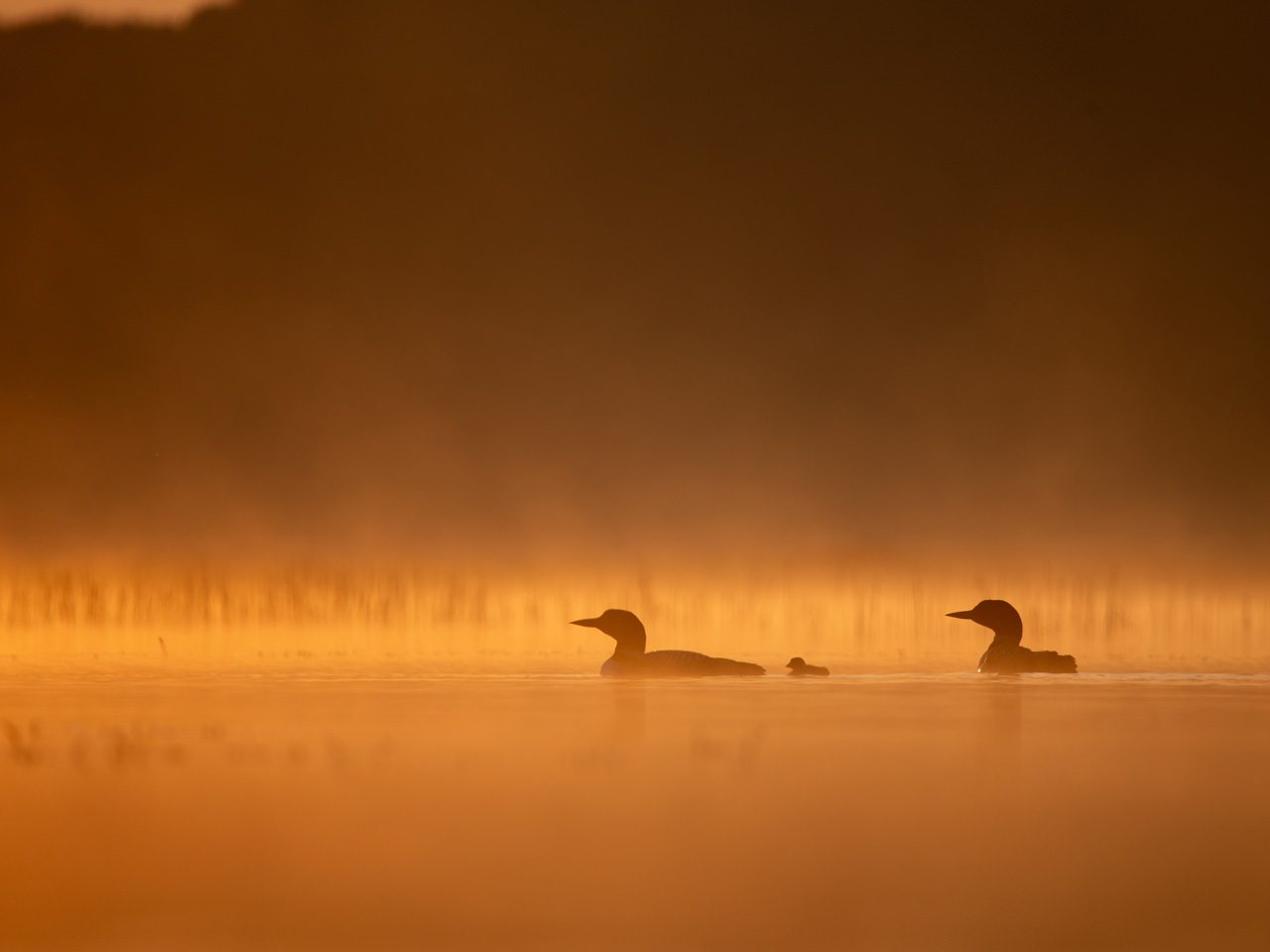
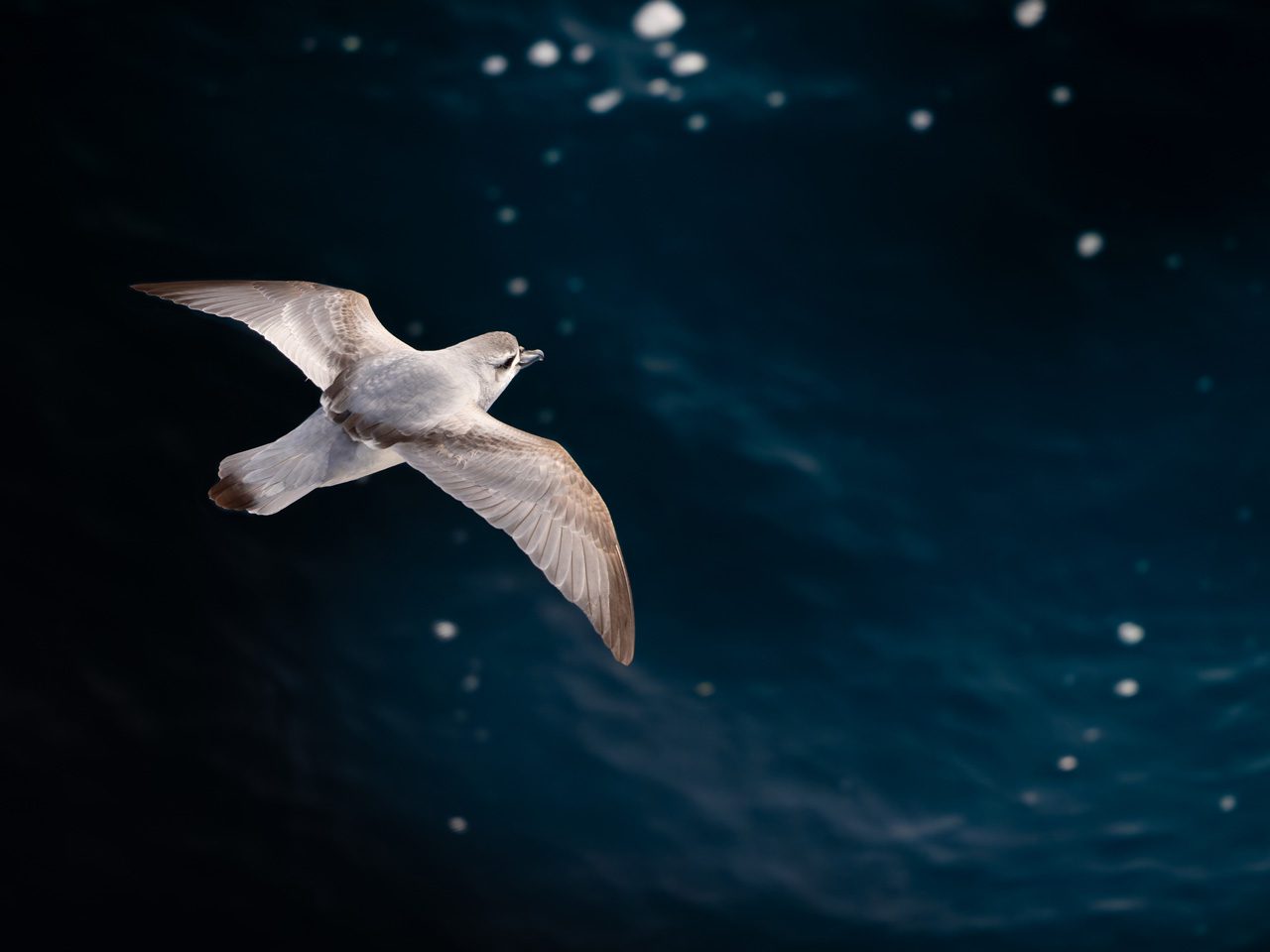
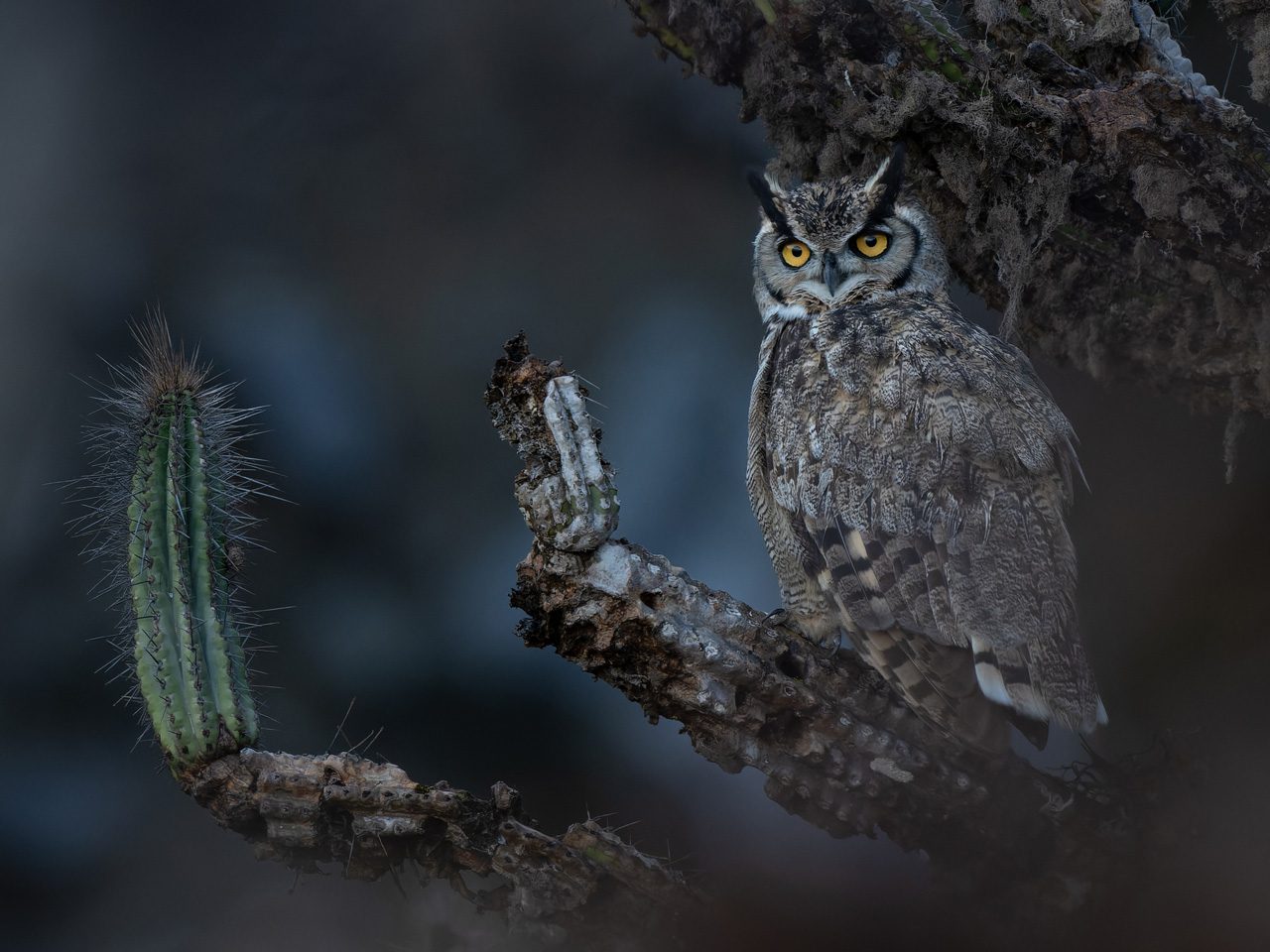
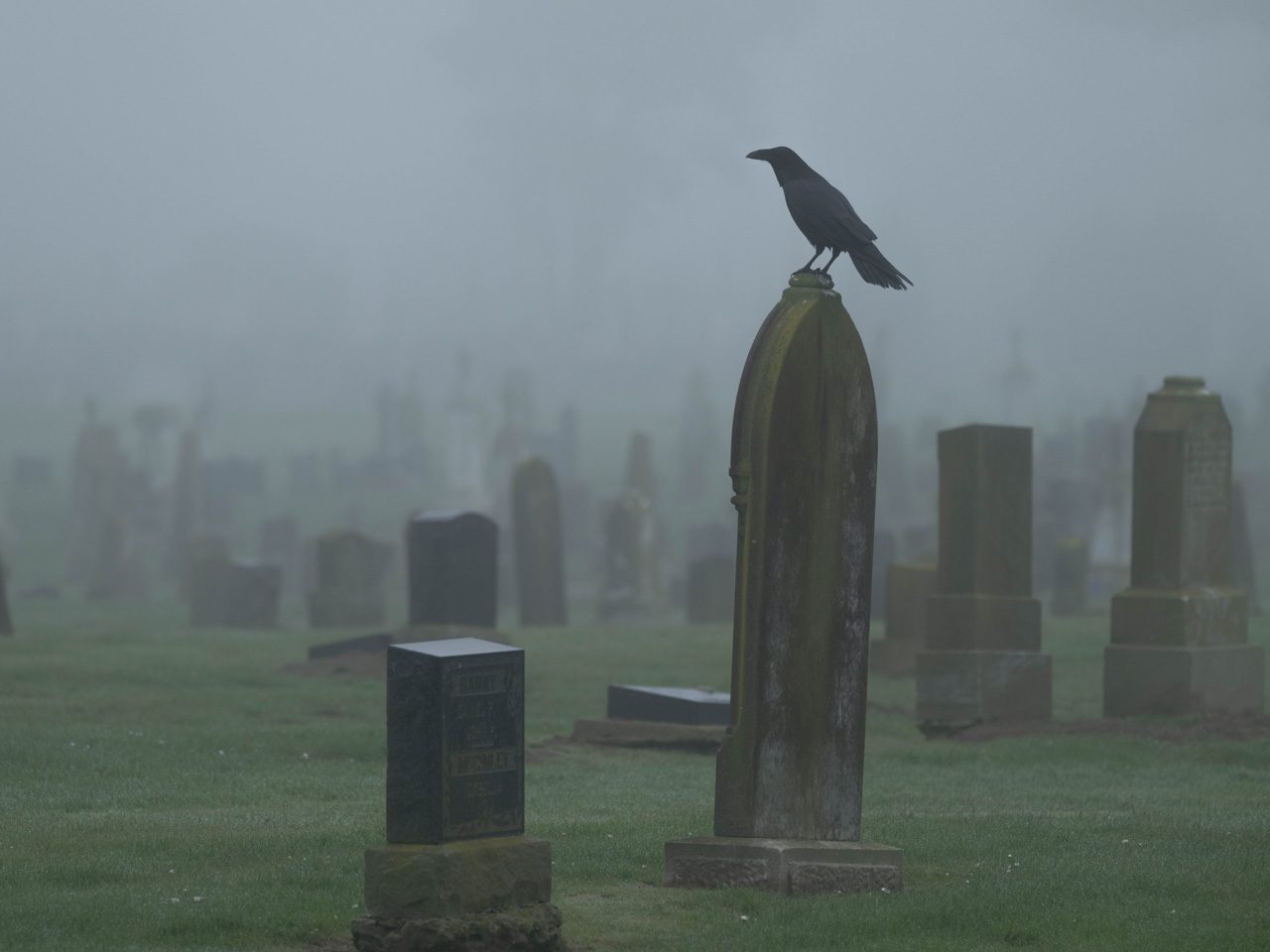
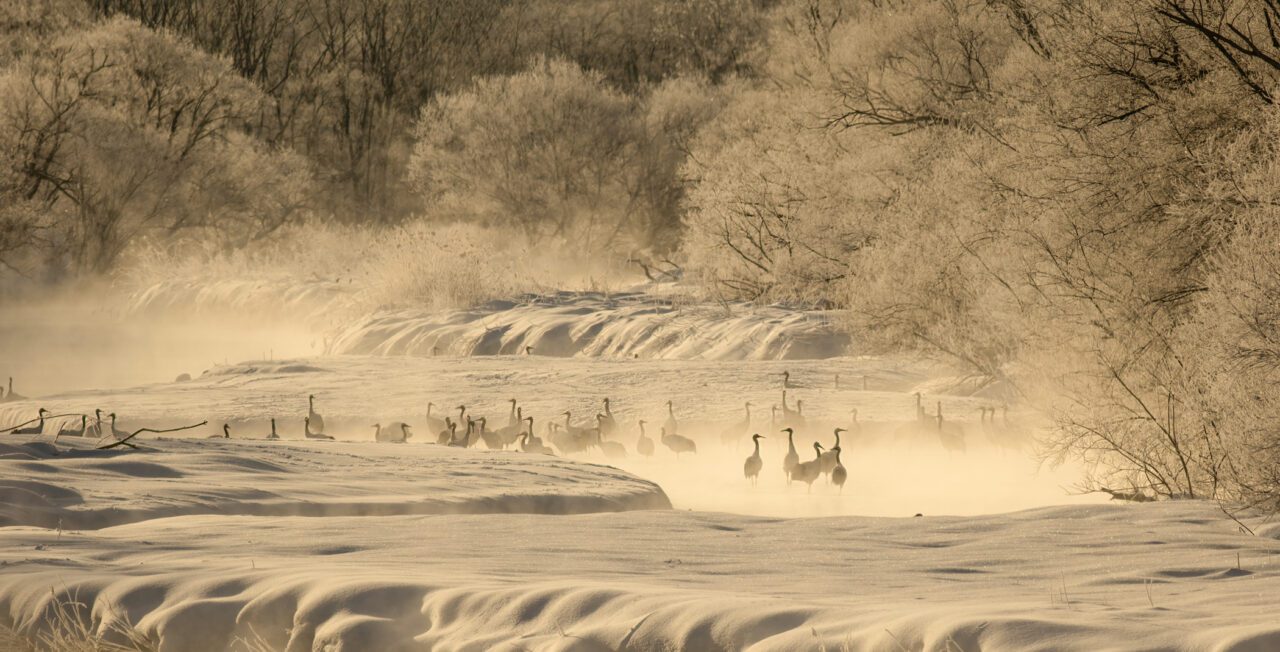
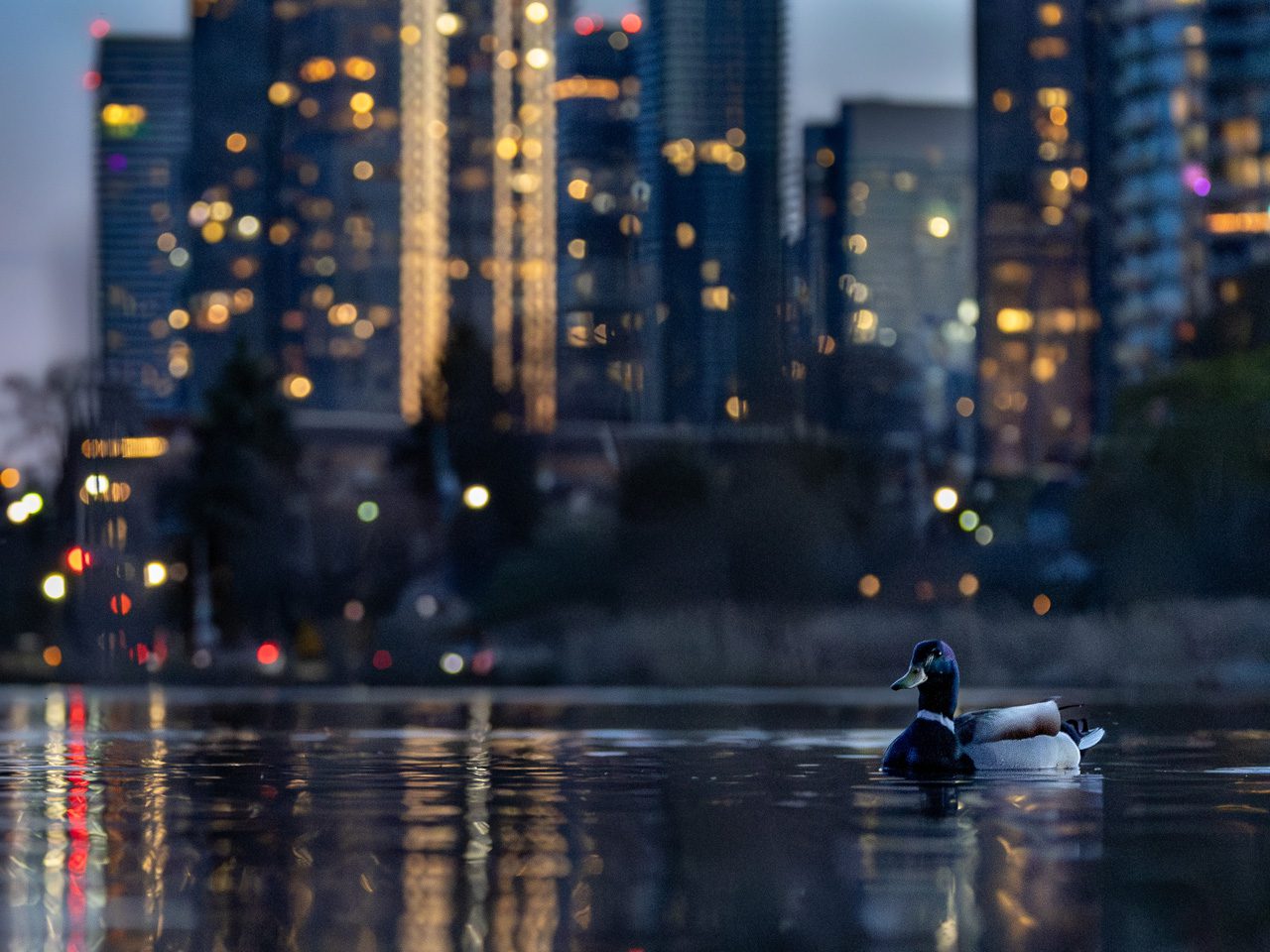
Out of the tens of millions of photos in the Macaulay Library archive, there are a few with dreamlike compositions—a bird photographed in low light, or in motion over dark waters. The resulting surreal images are testament to the photographer’s technical skills and creative vision. For example, photographer Samuel Galick happened upon a Chuck-will’s-widow perched at the end of his driveway in southern New Jersey after sundown. By using the onset of evening to his advantage, he was able to capture the ethereal form of the nightjar silhouetted against a rising moon.
Birds and Places
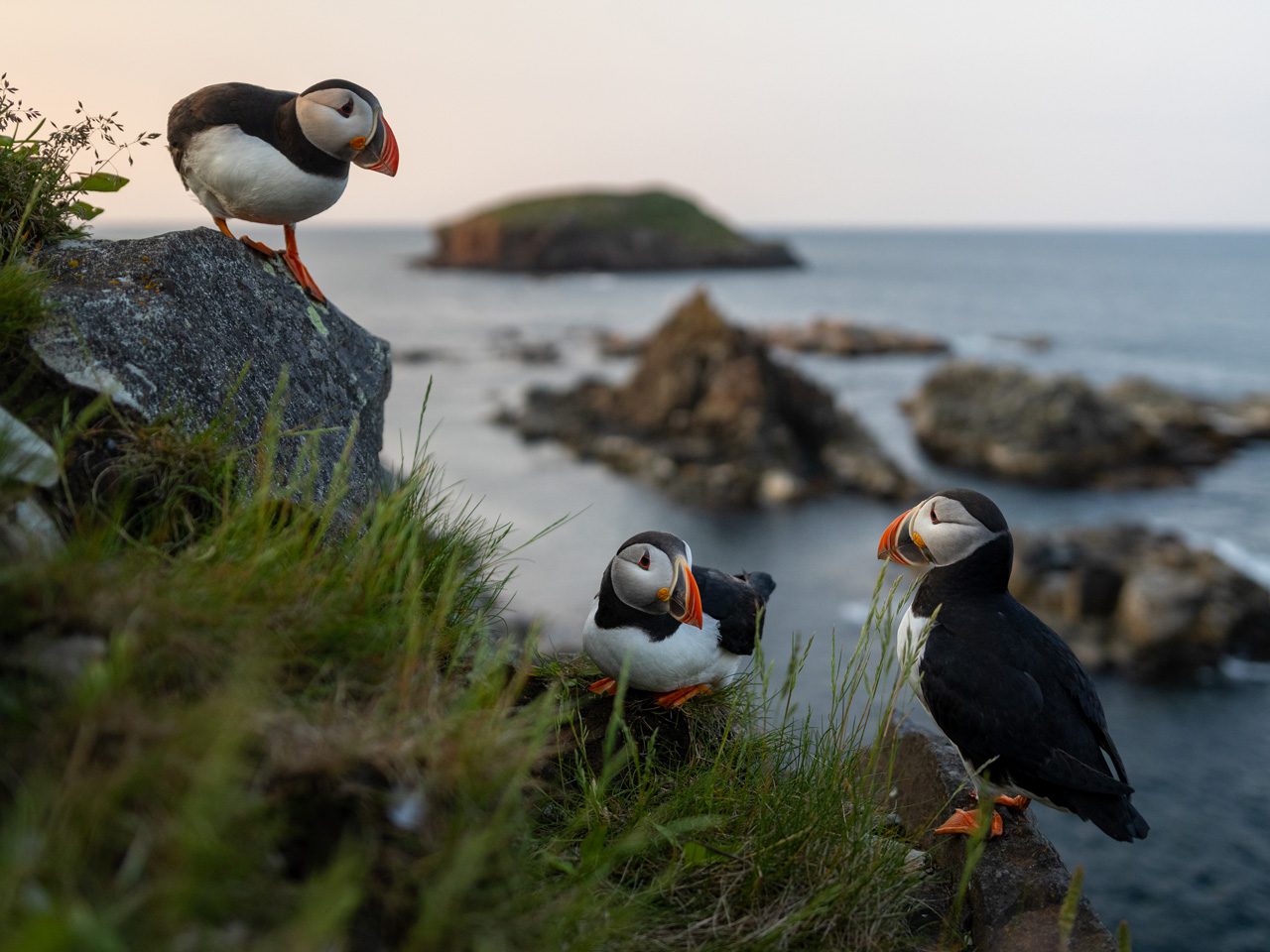
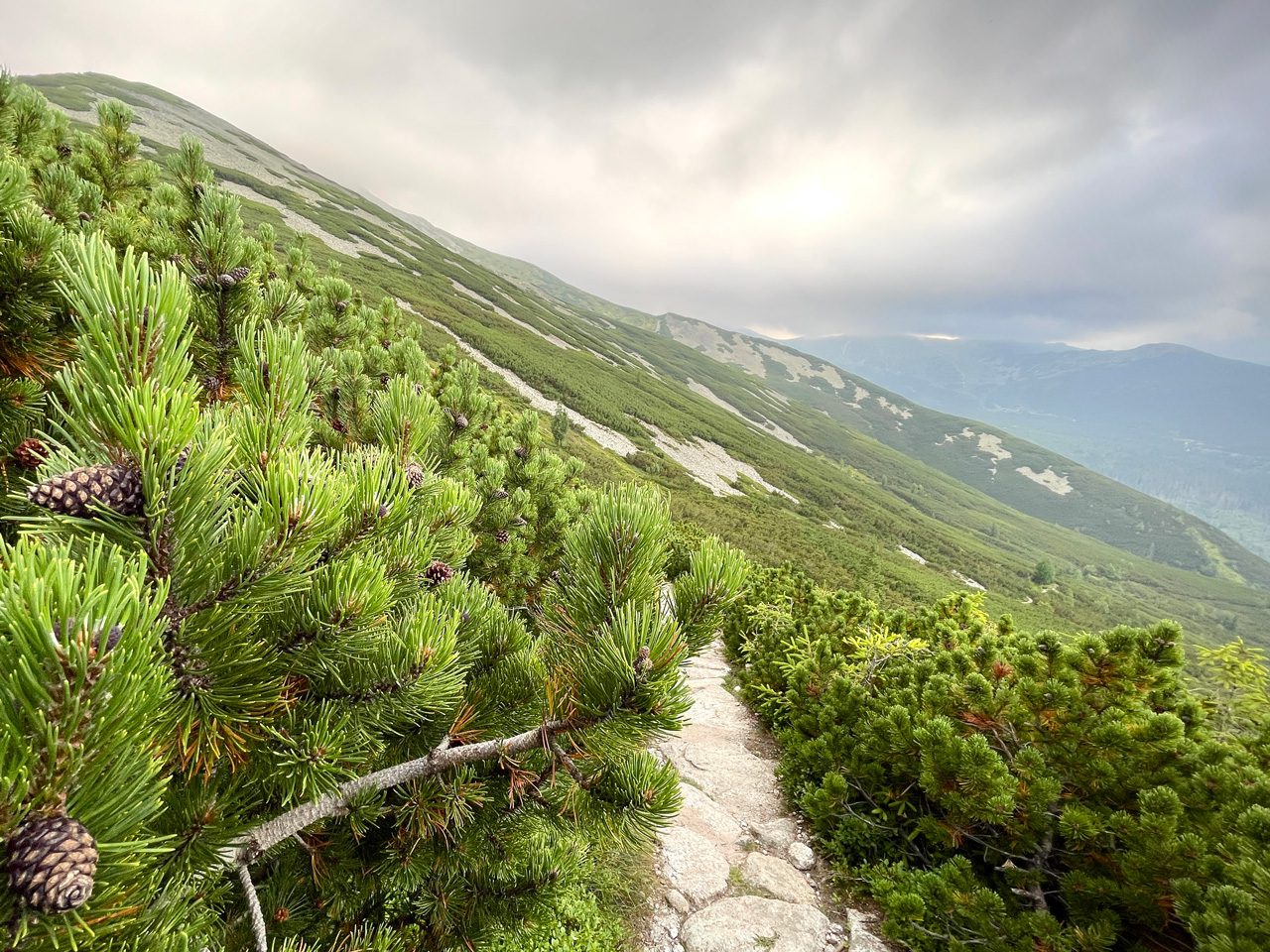
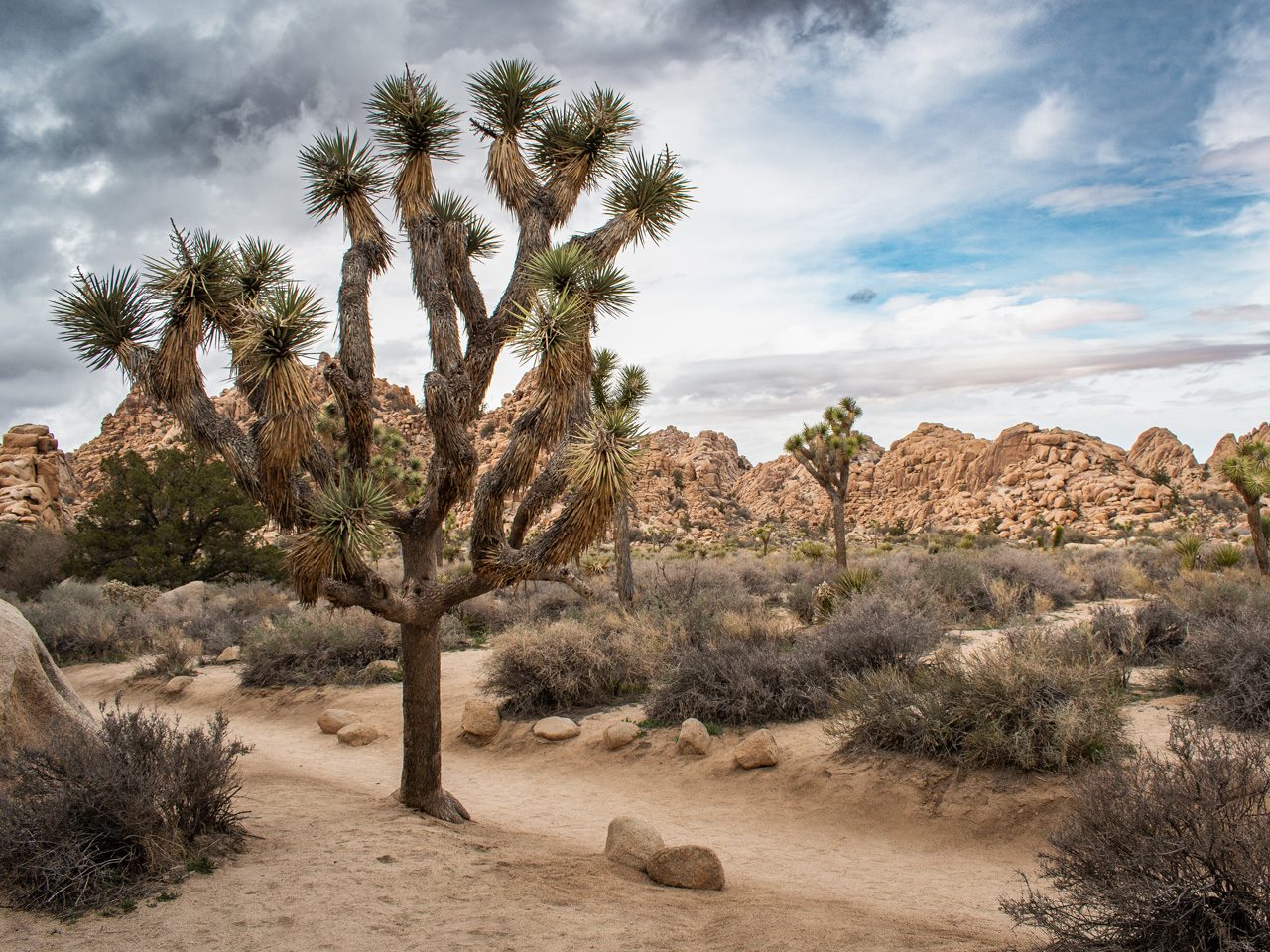
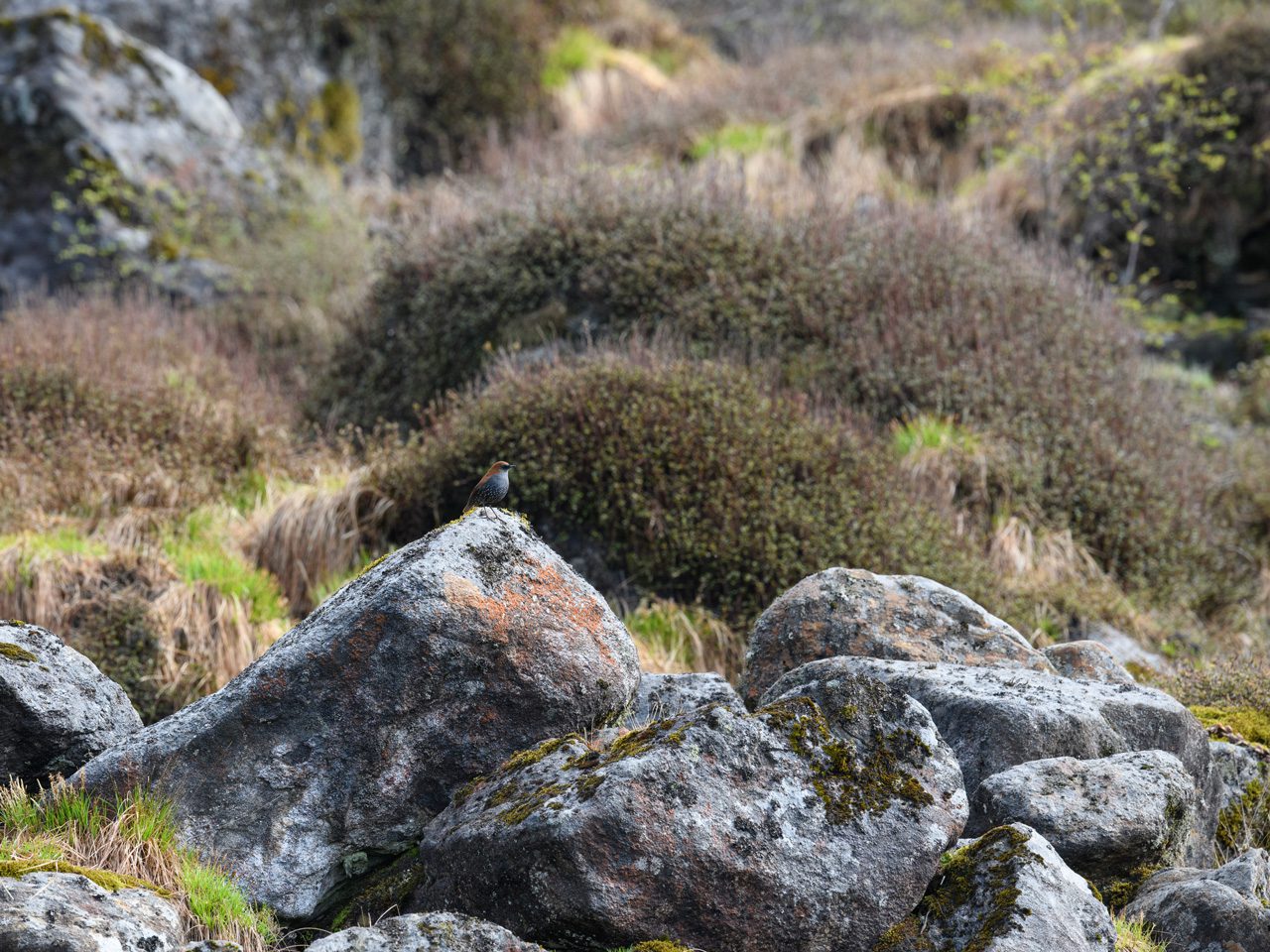
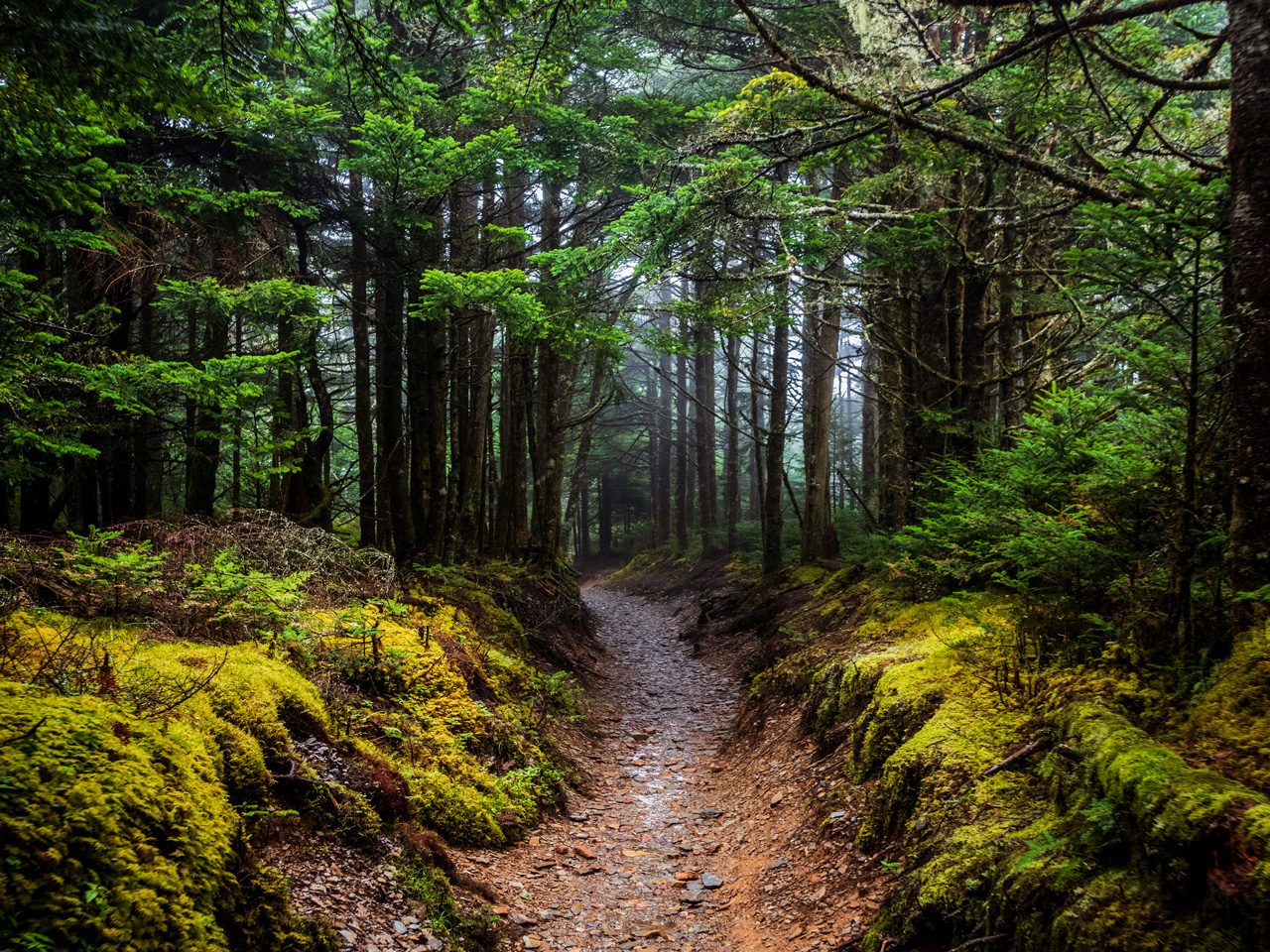
Another expansion of the Macaulay Library and eBird in 2025 allowed photographers to submit images of places, whether or not birds are included. The place-based images provide meaningful information to scientists about habitat conditions, and they provide a way for birders to preserve memorable landscapes in their eBird checklists. Sometimes an iconic bird and landscape align in the camera’s viewfinder, such as Rain Saulnier’s portrait of Atlantic Puffins amidst Newfoundland’s rocky coastline.
Snowbirds
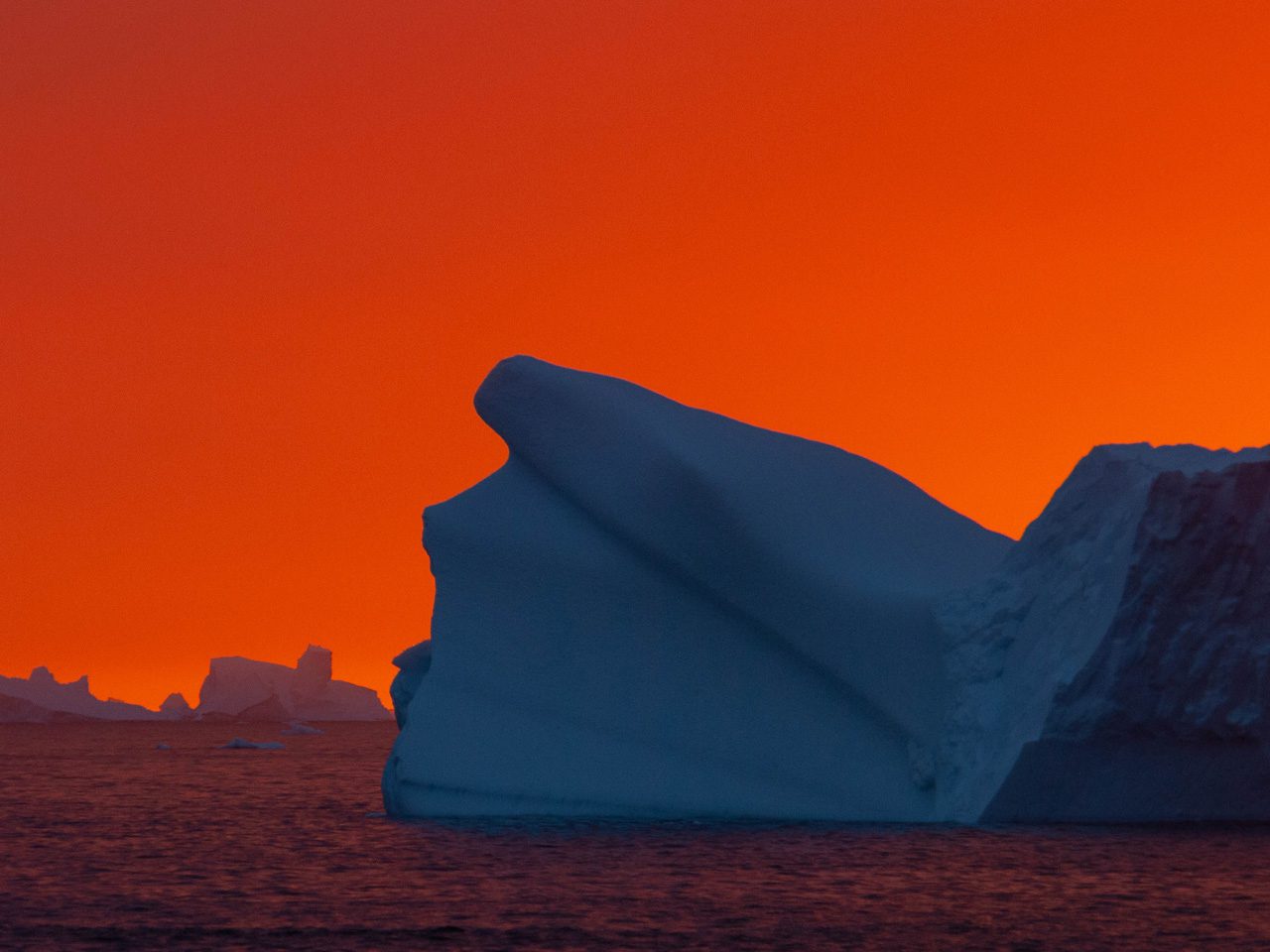
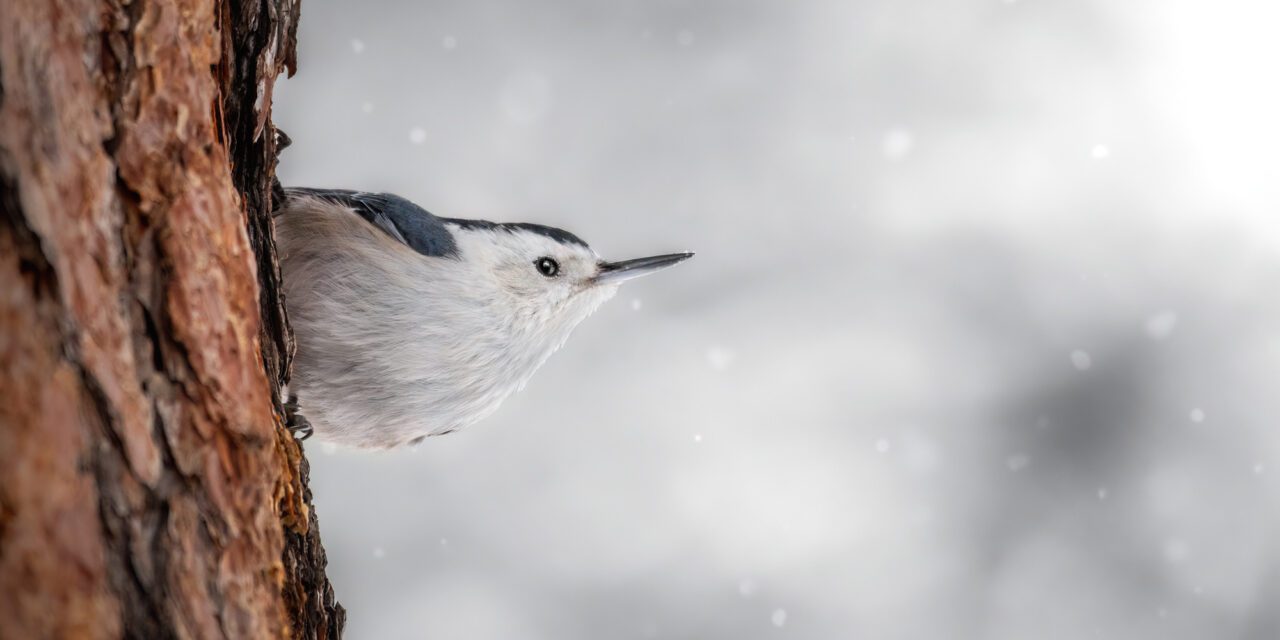
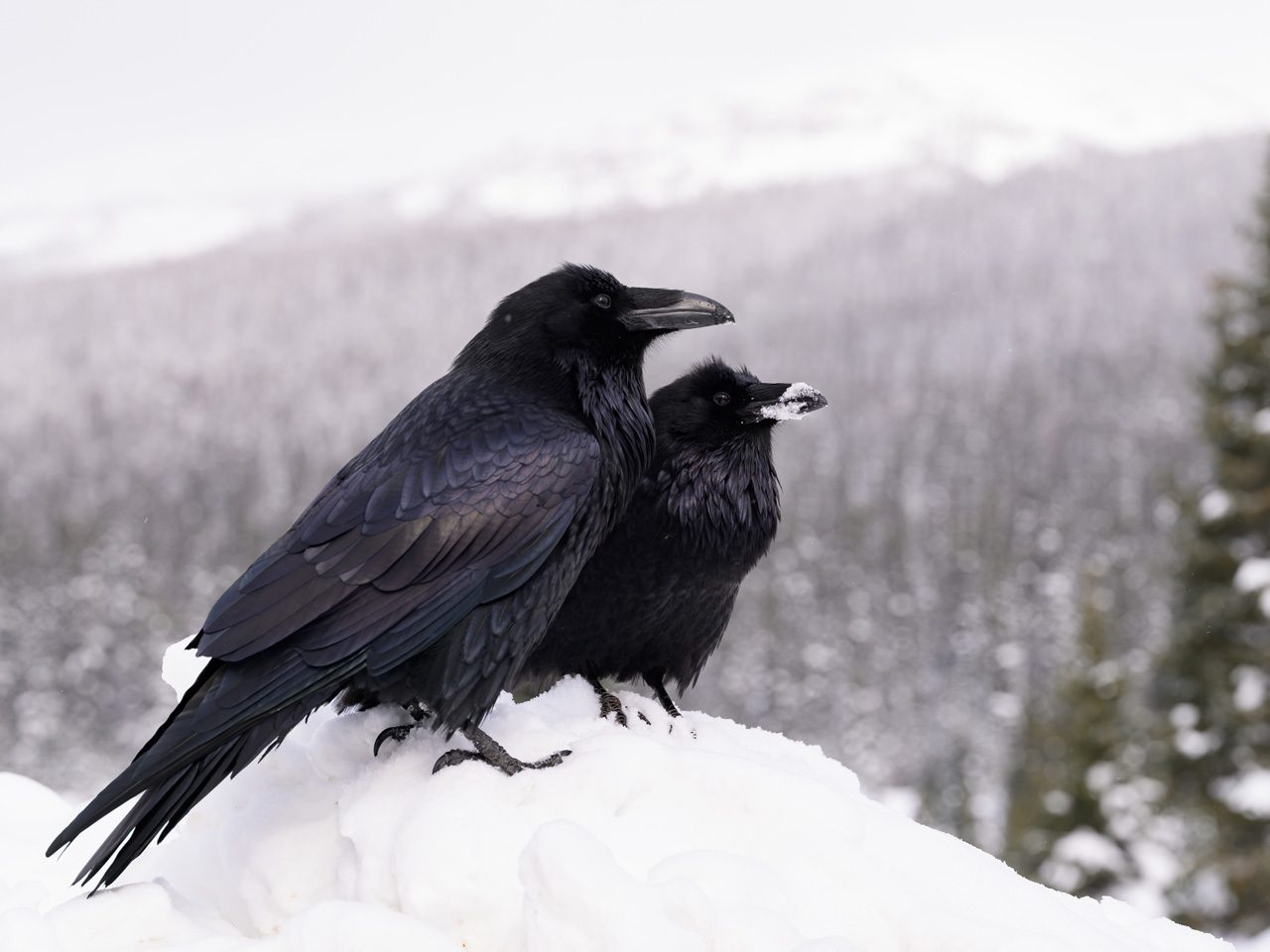
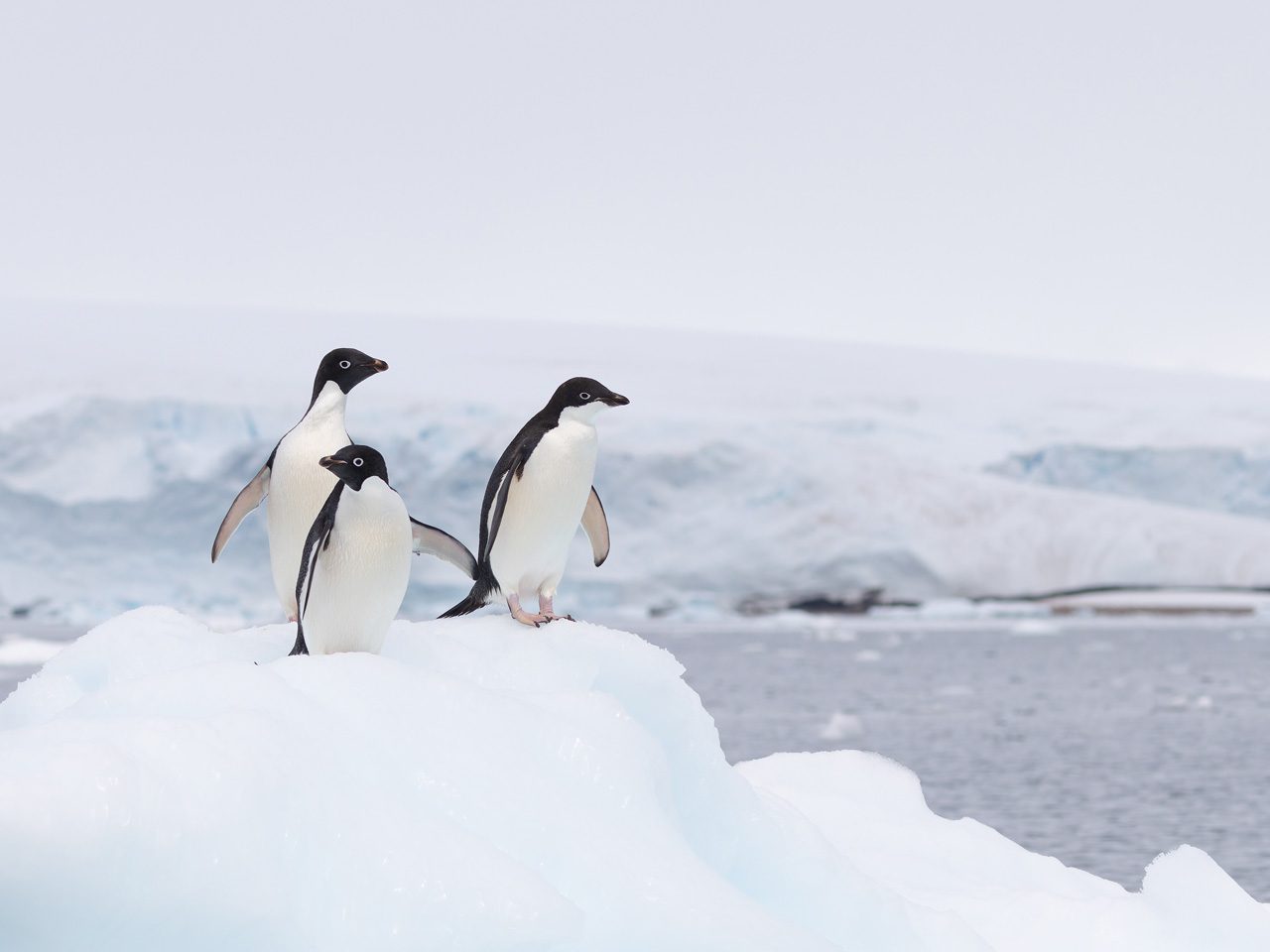
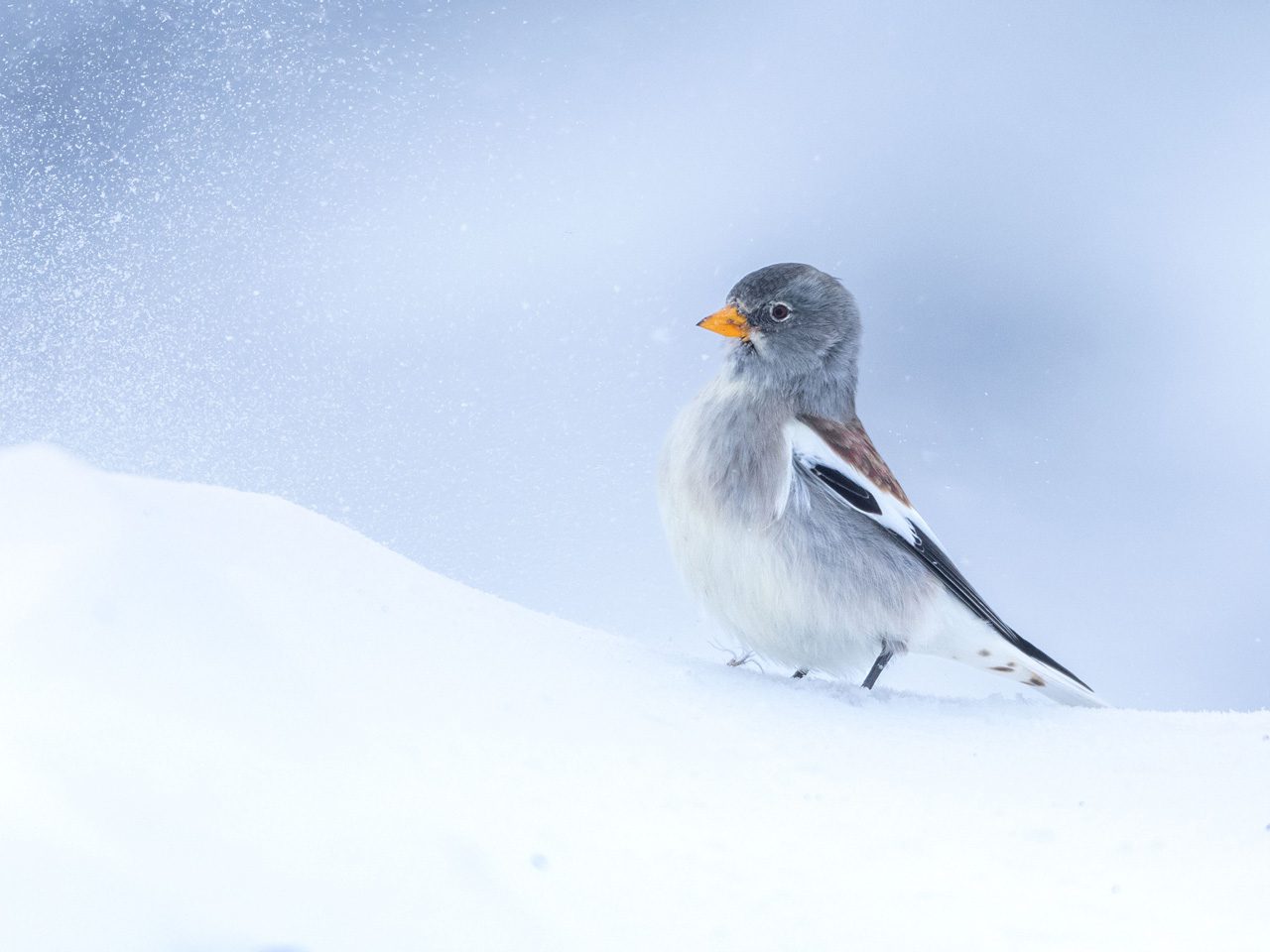
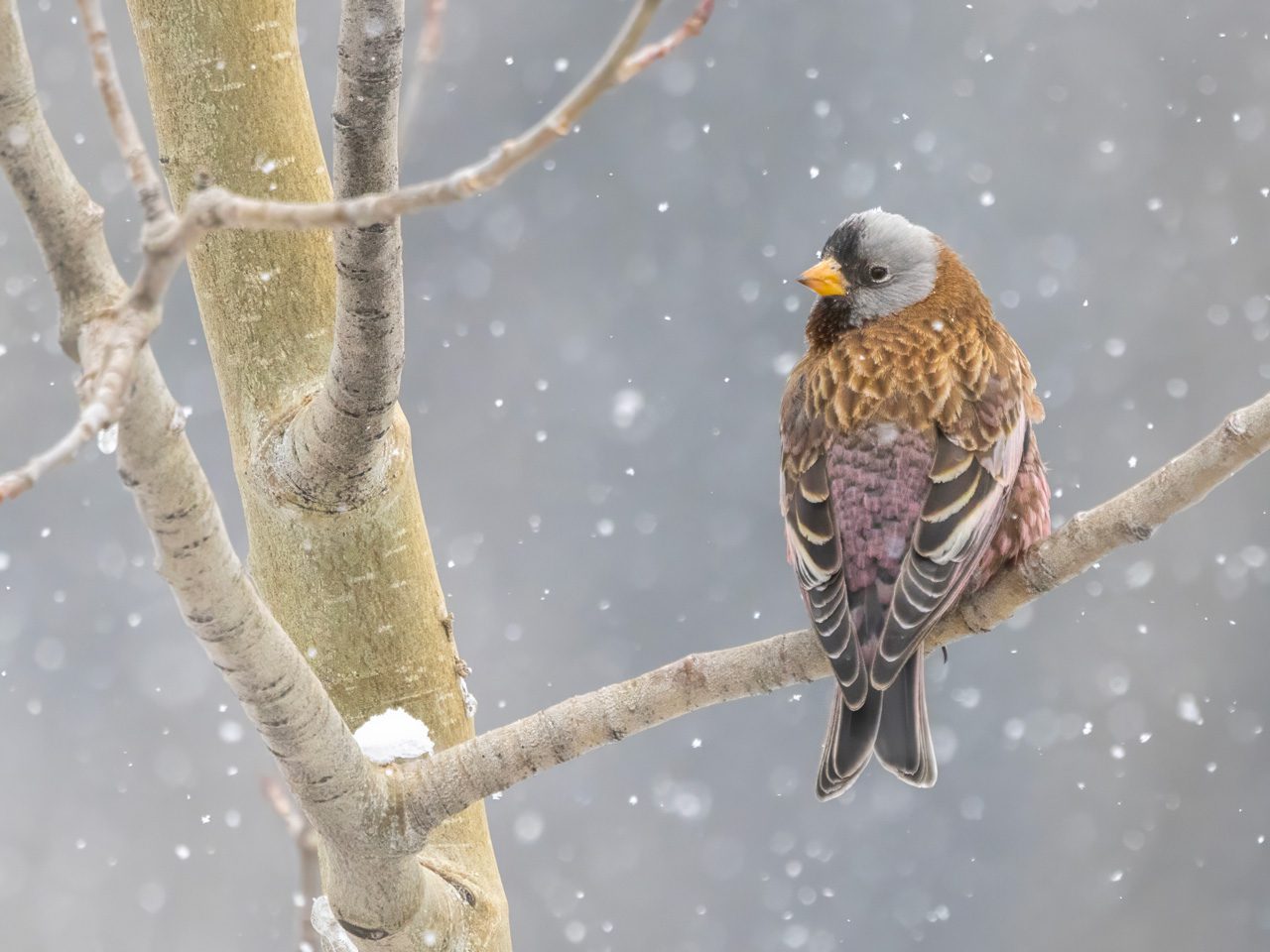
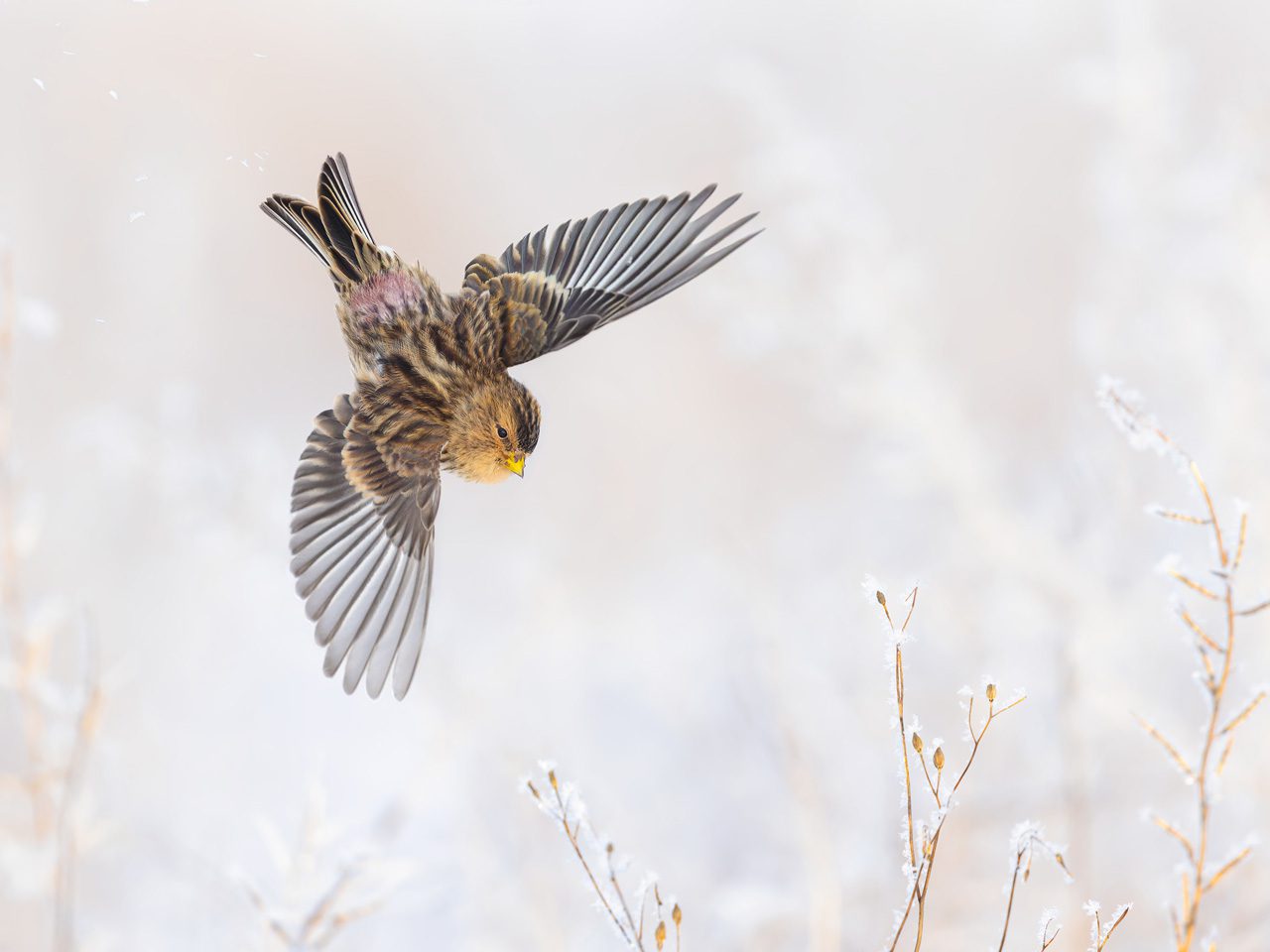
Some hardy contributors to the Macaulay Library have braved snow and ice to produce photos that document how birds survive and thrive in cold, harsh conditions—such as the aptly named snowfinch foraging high in the Bernese Alps, or a pair of ravens at rest atop a snowbank in the Canadian Rockies. The Common Raven’s large, sturdy bill is well suited for breaking through frozen food items for sustenance in deep winter.
Thank You
As 2025 comes to a close, the Macaulay Library wants to extend sincere thanks to everyone who contributed photos, sounds, and videos to the Macaulay Library this year. Together, you’ve helped build the world’s premiere archive of wildlife media, each image and recording capturing a memory of a bird and an experience in nature. Your contributions help scientists study migration and behavior, help educators inspire curiosity, and enable birders everywhere to experience the beauty of species they may never see in person. Most importantly, they tell a global story of birders’ care, curiosity, and hope for the natural world.
Thank you for helping the Macaulay Library grow, one eBird checklist, one sound, one photo at a time. We can’t wait to see what moments you’ll share in 2026 as we continue to celebrate the birds that connect us all.












More of Macaulay’s Best

All About Birds
is a free resource
Available for everyone,
funded by donors like you
American Kestrel by Blair Dudeck / Macaulay Library